Think of your basement as a fortress, guarding against the rising waters that often threaten Huntsville. You might not realize how vulnerable it can be until the rain starts pouring. Understanding the risks and signs of moisture can help you act before it’s too late.
There are proven techniques and products that can fortify your basement against flooding, but do you know where to start? Exploring your options will guarantee your home stays dry and protected, so let’s take a closer look at what you can do to secure that crucial space. Waterproofing your basement to prevent flooding in Huntsville is discussed in this article.
Key Takeaways
- Assess the history of flooding in Huntsville to identify potential risks specific to your area.
- Inspect your basement for water stains, mold, or dampness as signs of needed waterproofing.
- Ensure proper drainage systems are in place to redirect water and prevent pooling around your foundation.
- Use waterproofing paint and sealants to create barriers against moisture on walls and floors.
- Perform regular maintenance on gutters, downspouts, and drainage systems to minimize water intrusion.
We Will Buy Your House
We Buy Houses In Any Condition.
Understanding Flood Risks in Huntsville
When you think about flooding in Huntsville, consider factors like heavy rains and nearby lakes. These heavy rains can cause rivers to overflow and create puddles in your yard. If you live close to one of these lakes, the risk of flooding can increase during storms. The weather here can be unpredictable, and even short bursts of rain can lead to flooding issues.
It’s important to understand that some areas in Huntsville are more prone to flooding than others. Knowing your neighborhood’s flood history can help you prepare better. You should think about how long it takes for water to drain after a heavy rain or whether you have any low spots in your yard. These factors can contribute to water entering your basement.
Additionally, local construction and land use can affect how water flows. If a lot of new homes have been built nearby, those changes might increase the risk of flooding in your area. Always stay informed about weather alerts and flood warnings. Taking these steps can help you understand how flooding may impact you and your home in Huntsville.
Signs Your Basement Needs Waterproofing
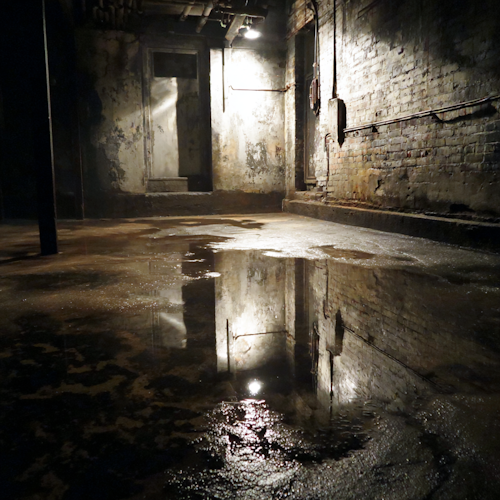
Basement issues often signal the need for waterproofing. One of the first signs you might notice is water stains on the walls or floors. These stains can indicate that moisture seeps in during heavy rain or melting snow. If you find mold or mildew, that’s another clear warning. These fungi thrive in damp environments and can harm your health.
You should also watch for peeling paint or wallpaper in your basement. These problems often occur when moisture builds up behind surfaces. If your basement smells musty, it’s a sign of trapped humidity. This kind of damp atmosphere can lead to serious issues if left untreated.
Cracks in your basement walls are another major red flag. Small cracks may not seem alarming, but they can widen over time, allowing more water to enter. If your basement feels cold and clammy, it’s often a sign of excess moisture, too.
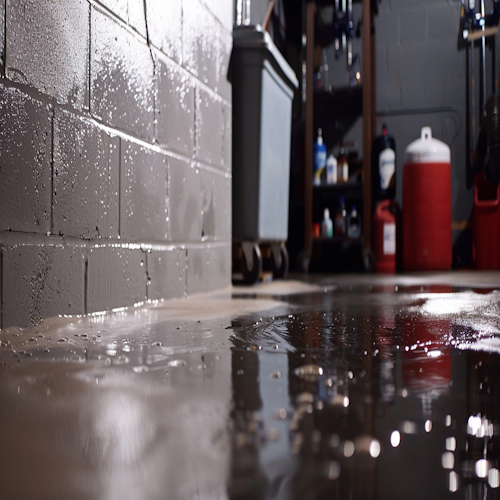
Finally, if you regularly see standing water inside your basement after storms, you definitely need to think about waterproofing. Recognizing these signs early can save you time, money, and a lot of headaches down the road.
We Will Buy Your House
We Buy Houses In Any Condition.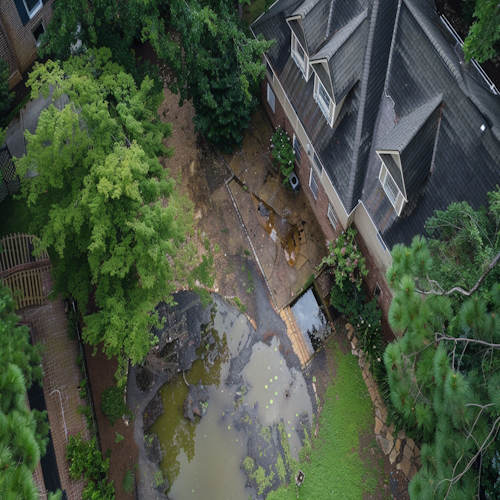
Assessment of Current Waterproofing Solutions
Evaluating your current waterproofing solutions is essential to guarantee your basement stays dry and healthy. You need to assess what methods you’re using and whether they’re still effective.
Look closely at the materials and techniques in place. Are they up to date? Here are a few things to ponder:
- Check for cracks: Inspect your basement walls for any visible cracks or openings where water can seep in.
- Evaluate drainage systems: Make sure your sump pump and drainage systems are functioning properly. A clogged drain can lead to big troubles.
- Review waterproofing paint: Look at the basement wall treatment. Is the waterproofing paint still holding up, or is it peeling or cracking?
After evaluating these areas, you’ll have a clearer picture of your current situation. If you notice any weaknesses, you might need to make improvements. Remember, keeping your basement dry is a constant effort. Regular assessments will help you stay ahead of potential issues and help protect your home from flooding in the future.
Effective Exterior Waterproofing Techniques
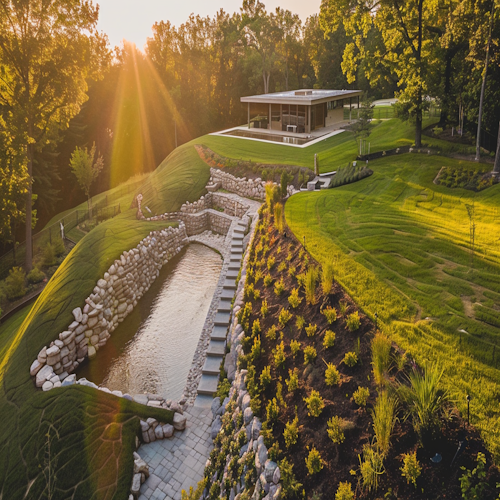
After evaluating your current waterproofing solutions, it’s time to look at effective exterior techniques that can keep your basement dry. One common method is to install a proper drainage system around your foundation. French drains are useful to redirect water away from your home and prevent pooling near your walls.
Make sure the drainage system is clear and functional. Another key technique is to grade your yard properly. The ground should slope away from your house to move rainwater away from your foundation. A slope of about six inches over ten feet is ideal.
Next, consider applying waterproof coatings to your foundation walls. These coatings create a barrier that prevents moisture from seeping through. You’ll want to choose a product that’s suitable for outdoor use.
Lastly, examine your gutters and downspouts. Guarantee they’re clean and in good condition. Downspouts should extend at least six feet from the foundation to further reduce water near your basement.
We Will Buy Your House
We Buy Houses In Any Condition.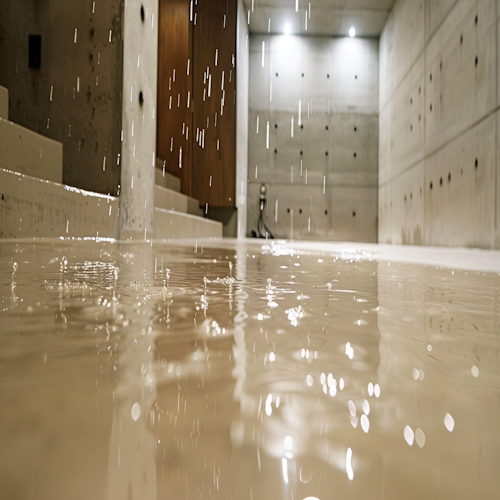
Interior Waterproofing Methods to Consider
While exterior waterproofing techniques are crucial, interior waterproofing methods are just as important for keeping your basement dry. By focusing on the inside, you can reinforce your defenses against water damage.
Here are three effective interior methods to think about:
- Seal Cracks: Check for any cracks in your walls or floor. Use a concrete sealant to fill them. This simple step can keep water from seeping in.
- Install a Sump Pump: If you live in an area with high groundwater, a sump pump is essential. It collects and pumps out water that accumulates, helping to keep your basement dry.
- Use a Dehumidifier: Maintaining a low humidity level can prevent mold growth and keep your basement comfortable. Invest in a good dehumidifier to help remove excess moisture.
Recommended Waterproofing Products
Choosing the right waterproofing products can make a significant difference in protecting your basement from water damage. Here’s a list of recommended products you’ll want to ponder:
| Product Type | Recommended Brands |
|---|---|
| Sealant | Drylok, Thompson’s WaterSeal |
| Waterproofing Paint | Behr Premium, Zinsser Watertite |
| Drainage System | Basement Systems, B-Dry |
| Humidity Control | Eva-Dry, hOmeLabs Dehumidifiers |
Sealants like Drylok and Thompson’s WaterSeal create a strong barrier against moisture. For waterproofing paint, Behr Premium and Zinsser Watertite are excellent choices to coat your walls.
If you’re looking for a drainage solution, Basement Systems and B-Dry offer various products to redirect water away from your foundation. Finally, humidity control is vital in a basement, so consider dehumidifiers from Eva-Dry or HomeLabs to keep the air dry.
We Will Buy Your House
We Buy Houses In Any Condition.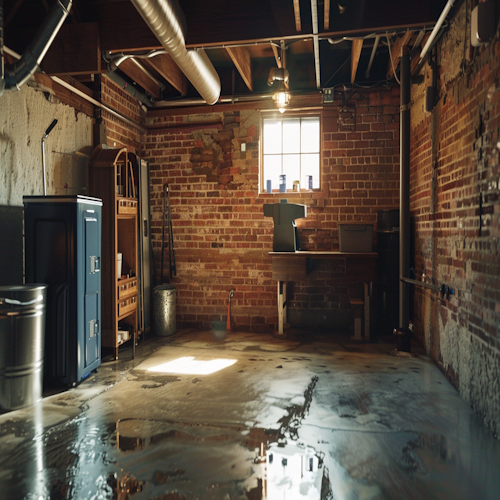
Maintenance Tips for Long-Term Protection
Proper maintenance is key to keeping your basement protected from moisture problems over the long haul. Regular checks and simple actions can make a big difference in preventing water damage.
Here are some tips you should follow:
- Inspect gutters and downspouts: Keep your gutters clean and guarantee that downspouts direct water away from your foundation. This helps prevent pooling around your home.
- Check for cracks and gaps: Inspect your basement walls and floors for cracks, gaps, or any signs of wear. Repair these issues as soon as possible to keep water out.
- Monitor humidity levels: Use a dehumidifier to maintain proper humidity. Ideal humidity levels should be around 30-50%. This will help reduce the chance of mold growth.
Frequently Asked Questions
How Much Does Basement Waterproofing Typically Cost in Huntsville?
Basement waterproofing costs can vary widely. Typically, you’re looking at anywhere from $1,500 to $5,000, depending on the size and complexity of the job. It’s best to get quotes from several local contractors for accurate estimates.
Can I Waterproof My Basement Myself?
Sure, you can waterproof your basement yourself, but have you considered the risks involved? With the right materials and effort, it’s doable, but don’t underestimate the complexity of the process. Do your research first!
Is Waterproofing Necessary for Finished Basements?
Yes, waterproofing’s vital for finished basements. It protects your investments and prevents damage from moisture. Even if it seems dry now, it’s better to be safe than sorry, so consider waterproofing for peace of mind.
How Long Does Waterproofing Last Before It Needs Redoing?
You might wonder how long waterproofing lasts. Generally, it can hold strong for about 10 to 20 years. However, factors like moisture levels and material quality might affect its durability, so regular checks are wise.
Do I Need a Permit for Basement Waterproofing in Huntsville?
Yes, you typically need a permit for basement waterproofing in many areas, including Huntsville. It’s best to check local regulations to guarantee you follow all necessary codes and avoid potential fines or issues later.
We Will Buy Your House
We Buy Houses In Any Condition.Conclusion
In the battle against basement flooding, you hold the key. Picture your home—a fortress, standing strong against heavy rains and rising waters. By taking action now, you’re not just protecting your basement; you’re safeguarding your peace of mind.
With the right waterproofing techniques and diligent maintenance, you can keep your sanctuary dry and cozy. So, roll up your sleeves, invest in those solutions, and watch as your basement transforms into a moisture-free haven, ready for anything nature throws your way.
Additionally, you can learn how to inspect and maintain your roof in Huntsville. Maintaining curb appeal is important, and these top landscaping tips will help you do just that. Your home foundation is crucial to your home, and understanding it and how to protect it can be learned in this article.