Isn’t it interesting how much we rely on our home’s foundation, yet often overlook it? Understanding this vital structure not only keeps your home standing strong but also protects your investment. From cracking walls to shifting floors, various signs can indicate foundation trouble.
What’s even more concerning is that many homeowners are unaware of how easily they can prevent such issues. By exploring the common problems and proactive steps you can take, you can guarantee your home remains a safe haven for years to come. Understanding your home’s foundation and how to protect it is what we discussed in this article.
Key Takeaways
- A solid foundation is essential for stability, supporting the structure and maintaining home value; regular inspections are necessary for early detection of issues.
- Common foundation problems include cracks, uneven floors, and sticking doors, often caused by settling soil, poor drainage, or temperature fluctuations.
- Prevent foundation damage by ensuring proper drainage, managing soil moisture, and sealing cracks to keep water out and maintain soil stability.
- Regular maintenance, such as waterproofing and proper landscaping, helps protect your foundation from water damage and can prevent costly repairs.
- When repairs are needed, choose a qualified contractor by checking their credentials, reviews, and ensuring they offer warranties on their work.
We Will Buy Your House
We Buy Houses In Any Condition.
Importance of Your Foundation
Your home’s foundation acts like the sturdy roots of a tree, anchoring everything above it. Without a solid foundation, your house wouldn’t have the strength to support the walls, roof, and everything inside. Think of it this way: when you stand on one foot, it’s much harder to stay balanced than when you’re using both feet. Your foundation provides that balance for your home.
A good foundation does more than just support your home; it helps maintain even temperatures and prevents moisture issues. Imagine you’ve got a nice, cozy space, but then cold air seeps in from below because of a weak foundation. It’s not just uncomfortable; it can drive up your energy bills, too!
Also, your foundation plays a vital role in your home’s value. A well-maintained foundation can enhance your property’s market appeal, while a shaky one can scare off potential buyers. Regular maintenance and care of your foundation can save you from costly repairs down the line.
Common Foundation Problems
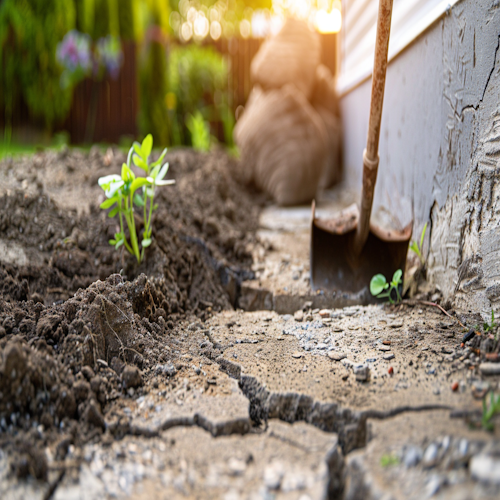
Even with a strong foundation, problems can crop up over time that threaten its integrity. One common issue is settling, which happens when the soil beneath your home changes. This can lead to cracks in your walls or uneven floors. You might notice doors that don’t close properly or windows that stick.
Another problem is water damage. If rainwater doesn’t drain away from your foundation, it can seep into your basement or crawl space. This creates a damp environment, leading to mold and structural issues.
Temperature fluctuations can also affect your foundation. When the soil expands in the heat and contracts in the cold, it can put stress on the foundation, resulting in cracks and shifting.
Tree roots can be a concern, too. As trees grow, their roots often seek moisture found near your foundation. This can cause upheaval or damage as roots push against the concrete.
Lastly, poor drainage systems can exacerbate these problems. If you’ve got gutters that overflow or downspouts misplaced, you might find water pooling around your foundation, which can worsen existing issues. Be aware of these common problems, and keep an eye on your home to protect your investment.
We Will Buy Your House
We Buy Houses In Any Condition.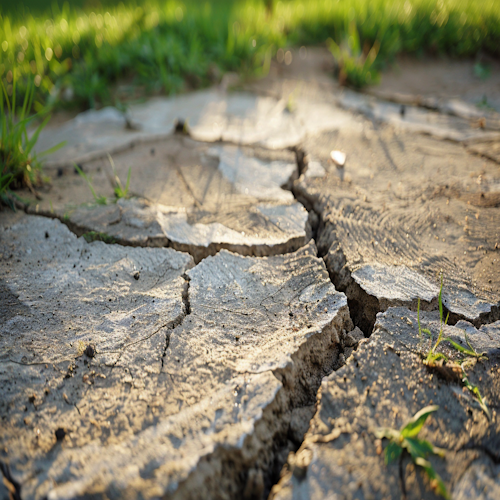
Signs of Foundation Issues
Foundation issues can sneak up on homeowners, and recognizing the signs early is crucial. If you notice cracks in your walls, particularly if they’re wider than a quarter-inch, that’s a red flag. These cracks may appear in corners or around windows and doors, indicating that your foundation could be shifting.
Doors and windows that stick or don’t close properly could also signal trouble. If your front door suddenly becomes tricky to open, or if a window won’t slide, the foundation might be out of alignment.
Another sign to watch for is sloping or uneven floors. If you feel like you’re walking downhill when you’re in your home, it’s time to investigate further.
Additionally, look for gaps where your walls meet the ceiling or floor, and pay attention to water pooling near your foundation after rain. Don’t ignore these signs, as early detection can save you from costly repairs down the line.
Trust your instincts—if something feels off, take action. Regularly inspecting your home can keep you aware of these potential issues, ultimately protecting your investment and ensuring your safety.
Causes of Foundation Damage
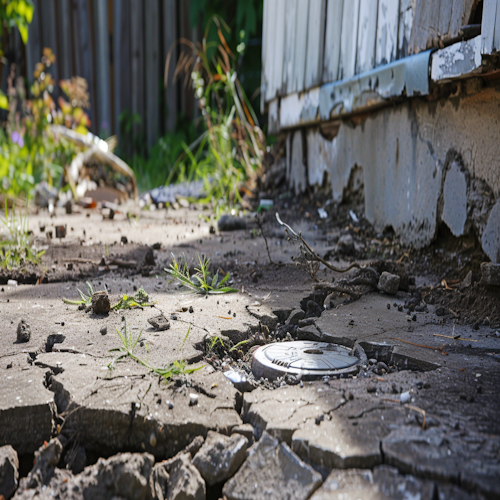
When it comes to foundation damage, various factors can contribute to the problem, thanks to the environment and construction materials. Understanding these causes can help you spot issues before they escalate.
One common cause is poor drainage. If water pools near your home, it can erode the soil, leading to a weakened foundation. Similarly, excessive rainfall can saturate the ground, causing soil movement.
Another factor is tree roots. They can grow under your foundation, searching for water, and potentially disrupt the soil structure. Additionally, extreme temperature changes can cause ground materials to expand and contract, leading to cracks.
Here’s a quick overview of some causes:
| Cause | Explanation |
|---|---|
| Poor Drainage | Water pooling can erode soil beneath your home. |
| Tree Roots | Roots can disrupt soil and foundation structure. |
| Excessive Rainfall | Soil saturation can cause shifting and movement. |
| Extreme Temperatures | Expansion and contraction can crack foundations. |
| Poor Construction | Using low-quality materials can lead to weaknesses. |
We Will Buy Your House
We Buy Houses In Any Condition.
Prevention Strategies
To protect your home from foundation damage, you need to implement effective prevention strategies that address the key causes. Start by guaranteeing proper drainage around your property. Clean gutters regularly and direct downspouts at least six feet away from the foundation. This’ll help prevent water from pooling near your home.
Next, maintain consistent moisture levels in the soil. In dry spells, water your yard to keep the soil from contracting too much, which can lead to settling. Conversely, during heavy rains, take measures to divert excess water away.
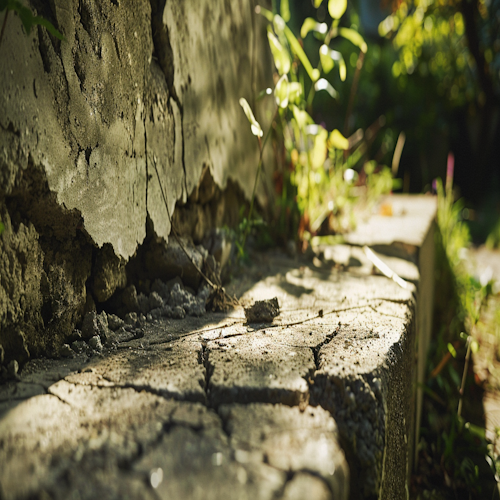
Check for cracks in your foundation and seal them to keep moisture out. Also, guarantee that your landscaping slopes away from your home, encouraging water runoff rather than accumulation.
Lastly, consider installing a sump pump in your basement if you notice moisture issues. It’ll help manage any excess water that might threaten your foundation. By staying proactive and addressing these strategies, you can protect your home’s foundation and avoid costly repairs down the road. Regular maintenance and vigilance will go a long way in safeguarding your investment for years to come.
Repairing Foundation Damage
Signs of foundation damage can be distressing, but addressing these issues promptly is crucial for maintaining your home’s stability. If you notice cracks in your walls or uneven floors, it’s time to take action. Ignoring these signs can lead to more severe problems down the line.
Here’s how you can start repairing foundation damage:
- Identify the damage: Look for cracks, shifting, or any signs of bowing in your foundation. Noticing these small details can help you understand the severity of the issue.
- Check drainage: Verify your gutters and downspouts direct water away from your foundation. Poor drainage can worsen foundation problems.
- Fill small cracks: For minor cracks, use epoxy or polyurethane foam to seal them. This simple fix can prevent water from seeping in.
- Monitor soil moisture: Maintain consistent moisture levels in the soil around your home. Too much or too little can impact your foundation’s stability.
We Will Buy Your House
We Buy Houses In Any Condition.
Professional Help and Resources
Finding the right professional help for foundation issues can make all the difference in restoring your home’s stability and safety. To guarantee the best outcome, consult with experts who can diagnose and recommend the best course of action. Here’s a quick reference guide to help you choose the right professional.
| Type of Professional | What They Do | When to Contact |
|---|---|---|
| Structural Engineer | Evaluates the foundation and designs repairs | If you see significant cracks or shifting walls |
| Foundation Repair Contractor | Implements repairs, like underpinning or leveling | After a structural engineer’s assessment |
| Home Inspector | Provides a general overview of the house’s condition | For a complete home analysis when buying/selling |
Before hiring anyone, check their credentials and reviews. Make sure they’re licensed and insured. Talk to previous clients to gauge their satisfaction. Getting multiple quotes helps you understand costs and services. By using these resources, you’ll guarantee you’re making informed choices about your home’s foundation health.
Frequently Asked Questions
How Does Weather Affect My Home’s Foundation?
Weather impacts your home’s foundation by causing soil expansion and contraction. Heavy rain can erode support, while extreme heat dries it out. You’ll notice cracks forming if water levels or temperatures shift rapidly.
Can I Build on an Unstable Foundation?
Building on an unstable foundation’s like stacking toys on a wobbly table—your masterpiece might crash! You shouldn’t attempt it; instead, fix the foundation first, ensuring your home stands strong against Mother Nature’s wildest whims.
What Materials Are Commonly Used for Foundations?
You’ll find concrete, masonry, and steel are common foundation materials. They offer durability and strength, ensuring your structure remains stable. Each option has its benefits, so consider your specific needs before deciding.
Is It Safe to Live in a House With Foundation Issues?
Living in a house with foundation issues isn’t safe. You might face serious problems like cracks, water leaks, or even structural damage. It’s vital to address these issues quickly for your home’s safety and stability.
How Often Should I Inspect My Foundation?
You should inspect your foundation at least twice a year. Look for cracks, uneven floors, or water pooling. Regular checks can help you catch problems early and save you from costly repairs down the line.
We Will Buy Your House
We Buy Houses In Any Condition.Conclusion
To summarize, keeping your home’s foundation in good shape is essential for long-term stability and comfort. Remember, “an ounce of prevention is worth a pound of cure.” By regularly checking for signs of damage and addressing issues early, you can save yourself from costly repairs down the road.
Take proactive steps to maintain proper drainage and protect your foundation, so your home stays safe and sound for years to come. Additionally, you can learn how to prevent and treat mold in your Huntsville home. Maintenance of your home also includes plumbing maintenance, which you can learn from this article. HVAC maintenance in your home is also important, and you can learn some HVAC maintenance tips from this article.