You might not realize that mold can begin to grow in just 24 to 48 hours after exposure to moisture. In Huntsville’s humid climate, this means you need to be proactive about prevention and treatment. It’s vital to control indoor humidity and guarantee proper ventilation in your home. Think about what steps you can take now to keep your environment mold-free.
From simple fixes to more significant strategies, there are effective ways to tackle this issue and keep your home safe and comfortable. Let’s explore how to do just that. In this article, we discussed how to prevent and treat mold in Huntsville’s humid environment.
Key Takeaways
- Keep indoor humidity levels between 30% and 50% using dehumidifiers and hygrometers to prevent mold growth in humid conditions.
- Improve ventilation by using exhaust fans in kitchens and bathrooms, and open windows to circulate fresh air.
- Seal leaks and fix any water issues promptly to eliminate excess moisture that fosters mold development.
- Regularly clean gutters and ensure proper drainage to prevent water accumulation around the home.
- Identify mold types early and apply specific treatment methods, like removing contaminated materials and using appropriate cleaning solutions.
We Will Buy Your House
We Buy Houses In Any Condition.
Understanding Mold Growth
Mold is a sneaky organism that can quickly take over your home if conditions are right. It thrives in warm, damp places, so if you’ve ever noticed a musty smell after a heavy rain, it’s time to be alert. Mold loves spots that stay wet, like bathrooms, kitchens, and basements.
You’ve probably seen it on walls or shower curtains, but it can also hide behind drywall or under carpets. When humidity levels rise above 60%, you create the perfect environment for mold growth. So, if you live in a humid area, keeping your indoor humidity low is vital.
Regularly using dehumidifiers in your home can help. You can also open windows and use exhaust fans while cooking or showering to reduce moisture levels. If you notice leaks or condensation, fix them right away. Even a small drip can lead to a mold issue.
Identifying Common Mold Types
Knowing where mold can grow is important, but it’s just as vital to identify the different types you might encounter. Mold comes in various colors and textures, and understanding them can help you react appropriately.
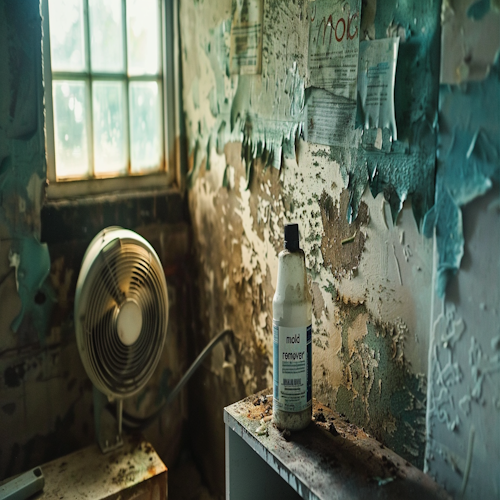
One type you may see is black mold, which often appears as dark green or black spots. This is one of the most concerning molds and can pose health risks. Another common variety is green mold, frequently found on wet wood or leather. You might notice a fuzzy growth that can spread quickly.
White mold resembles cotton and can often be mistaken for harmless substances, but it can still cause damage if left unchecked. Meanwhile, yellow mold typically appears in a powdery form and loves damp areas. Just think of the basement or bathroom—perfect breeding grounds!
As you work through identifying these molds, remember that each type requires specific treatment methods. Being able to spot them early can save you time, money, and stress. Stay vigilant in your environment, so you can tackle any mold problem head-on before it becomes a bigger issue.
We Will Buy Your House
We Buy Houses In Any Condition.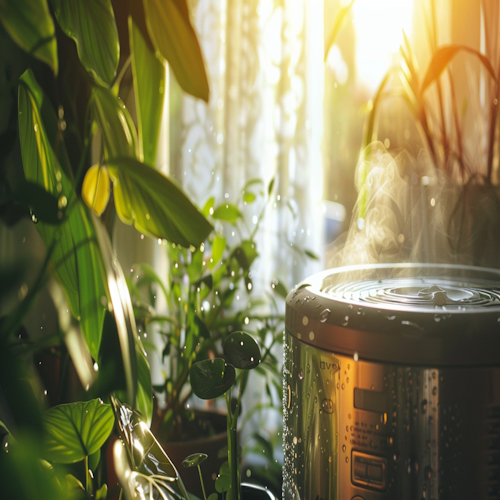
Controlling Indoor Humidity
To prevent mold from taking hold, keeping indoor humidity levels in check is crucial. Ideally, you want humidity between 30% and 50%. If your home feels stuffy or you notice condensation on windows, it’s time to take action.
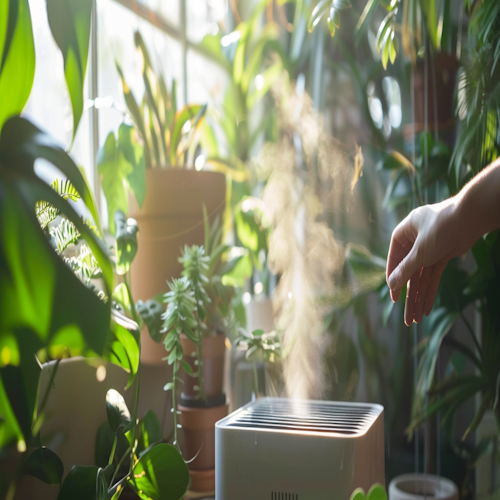
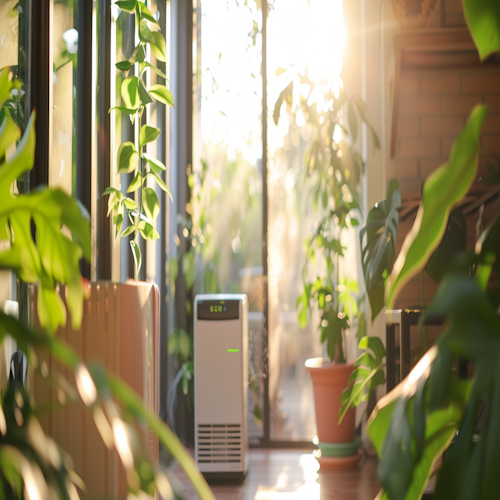
Using a dehumidifier can be a game-changer. Place it in the dampest areas, like basements or laundry rooms, to reduce moisture. You can also check your home’s humidity levels with a hygrometer. If you don’t have one, you can find simple, affordable options online or at local stores.
Another tip is to keep your home well-heated in winter. Cold air holds less moisture, which can help lower humidity levels. When cooking, keep the lids on pots to minimize steam. If possible, use exhaust fans during showers or run an air conditioner during hot, humid days.
Don’t forget about indoor plants. While lovely, they can raise humidity, so keep an eye on your plant care. Turning these habits into daily routines can make a big difference in maintaining low humidity and ultimately preventing mold. By staying proactive, you’ll create a healthier indoor environment for you and your family.

Proper Ventilation Techniques
Ventilation plays a key role in preventing moisture buildup in your home. Proper airflow helps keep humidity levels down, making it harder for mold to thrive.
Here are some effective ventilation techniques you can use:
- Open windows: When the weather permits, let fresh air circulate through your home.
- Use exhaust fans: Install fans in kitchens and bathrooms to eliminate excess humidity from cooking and showering.
- Check vents: Verify that air vents aren’t blocked by furniture or other items to promote good airflow.
- Install a dehumidifier: This will help remove excess moisture in damp areas like basements or laundry rooms.
- Maintain your HVAC system: Regularly clean and service your heating and cooling systems to guarantee they’re functioning properly.
We Will Buy Your House
We Buy Houses In Any Condition.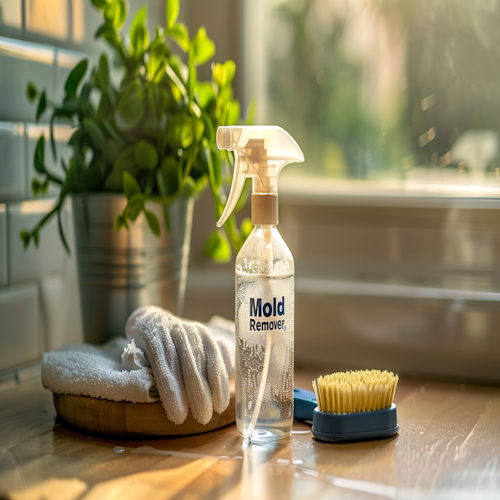
Effective Mold Cleaning Solutions
Even with proper ventilation, mold can still find its way into your home, especially in damp areas. If you spot mold, don’t panic! You can tackle it effectively with the right cleaning solutions. For small areas, start with a mix of equal parts water and white vinegar. Spray it directly on the moldy surface, let it sit for about an hour, and then scrub it away with a sponge or brush. Vinegar is safe and effective, making it a great first line of defense.
For tougher spots, you can use a solution of one cup of bleach mixed with a gallon of water. Make sure to wear gloves and a mask to protect yourself. Apply the mixture to the mold, letting it sit for 10-15 minutes before rinsing. This will help kill mold spores and brighten the area.
Always remember to dry the cleaned area thoroughly to prevent the mold from returning. If the mold covers a large area or persists, it might be best to call in professionals to handle the situation. With these solutions, you’ll be more equipped to keep your home mold-free and comfortable.
Long-Term Prevention Strategies
Mold prevention starts with keeping your home dry and well-maintained.
In humid environments like Huntsville, it is crucial to adopt strategies that minimize moisture and keep mold at bay.
- Seal leaks promptly: Make sure to fix roof, plumbing, or window leaks immediately to prevent excess moisture.
- Use dehumidifiers: These devices help maintain ideal humidity levels, especially in basements and bathrooms.
- Ventilate your home: Open windows, use exhaust fans, and guarantee air circulation to eliminate moisture build-up.
- Insulate pipes and ducts: Insulation reduces condensation and prevents moisture from accumulating on cold surfaces.
- Regularly clean gutters: Keep gutters free from debris to guarantee proper drainage and prevent water from entering your home.
We Will Buy Your House
We Buy Houses In Any Condition.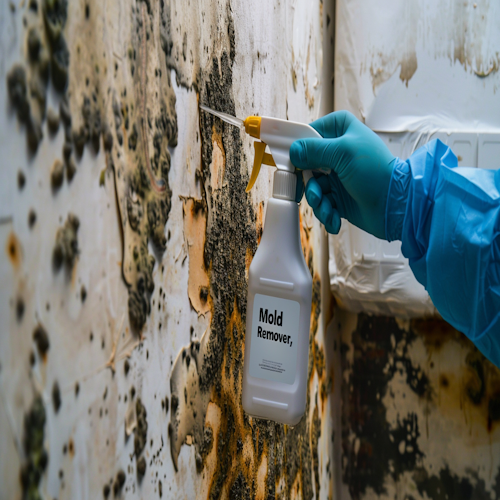
When to Seek Professional Help
If you notice persistent mold growth despite your best efforts to prevent it, it’s time to think about seeking professional help. You might find mold in hidden areas like behind your walls, under the carpet, or in your attic. If these spots are producing trouble, it’s vital not to ignore them.
Another sign to call in the experts is if the mold covers a large area, typically more than 10 square feet. Tackling a big mold issue can be overwhelming, and without the right tools and knowledge, you could end up making the situation worse.
Additionally, if anyone in your home has respiratory issues, allergies, or other health problems, it’s wise to let professionals handle it. Mold can worsen these conditions, and getting it under control can substantially improve your living environment.
Finally, if you suspect there’s a leak or water damage that’s causing the mold, it’s often a good idea to seek help. Professionals can’t only remove the mold but also identify and fix the source of moisture. Taking action early can save you time, money, and prevent further health risks.
Frequently Asked Questions
Can Mold Affect Air Quality and Health in Huntsville?
Yes, mold can seriously affect air quality and your health. You might experience allergic reactions, respiratory issues, or even sinus problems. Keeping your home dry and well-ventilated will help reduce these risks and improve your well-being.
Are There Specific Mold-Resistant Paints Available in Huntsville?
Yes, you can find mold-resistant paints in Huntsville. These paints help safeguard your walls by preventing mold growth. Just look for products labeled as mold-resistant at local hardware stores to protect your home effectively.
What Are the Signs of Mold Returning After Treatment?
Mold’s mischievous reappearance shows itself through a musty smell, visible spots, or peeling paint. If you notice any of these signs, don’t delay! Act quickly to address the issue before it escalates again.
How Often Should I Check for Mold in My Home?
You should check for mold in your home at least once a month. Pay attention to damp areas, like basements and bathrooms. A quick visual inspection can help catch any issues before they worsen.
Can Pets Transmit Mold Spores Indoors?
Yes, pets can carry mold spores indoors on their fur or skin. Regular grooming and cleaning of your pet’s bedding help reduce the risk. Keeping your home clean lowers the chances of mold spreading.
We Will Buy Your House
We Buy Houses In Any Condition.Conclusion
By following these tips, you can keep mold at bay in Huntsville’s humid climate. Remember, maintaining a humidity level between 30% and 50% is key. Are you ready to create a healthier home for you and your family? Regular checks for leaks, using dehumidifiers, and ensuring good ventilation can make a big difference.
With a little effort and awareness, you can effectively prevent mold and enjoy a fresher indoor environment. Your well-being is worth the effort! Additionally, you can learn how to prepare your home for Huntsville’s hot summers. You can also learn key maintenance tips for winterizing your home. For Huntsville’s hot climate, it is crucial to maintain the HVAC system.