You might not realize that the courts in Huntsville hold significant power in the eviction process, serving as the critical link between landlords and tenants. When a landlord seeks to evict a tenant, they must turn to the court, which guarantees that all local laws are respected throughout the process.
It’s not just a matter of forcing someone out; there are rules and rights involved that can impact both parties. Understanding how the courts influence these situations can shed light on what really happens behind the scenes. What exactly are these processes, and how do they affect you? In this article, we discussed the role of the courts in the Huntsville eviction process.

Key Takeaways
- The court has jurisdiction over eviction cases within Huntsville city limits, ensuring local laws are enforced.
- Courts issue eviction orders based on judgments after hearings, following proper procedures and documentation.
- Tenants must receive court papers, allowing them the opportunity to respond and defend against eviction.
- Timely court hearings are crucial for both landlords and tenants to present their cases effectively.
- Understanding the court’s authority is essential for navigating the eviction process successfully in Huntsville.
We Will Buy Your House
We Buy Houses In Any Condition.
Overview of Eviction Process
When you’re facing eviction in Huntsville, understanding the process can make a tough situation a bit easier. First, your landlord must provide you with a written notice. This notice typically tells you how much time you have to leave—often three to five days—depending on the reason for eviction.
If you don’t move out by the deadline, the landlord may file an eviction lawsuit in court. Next, you’ll be served with court papers informing you of the lawsuit. This is your official notice that legal action is taking place.
It’s crucial to respond to these papers and show up in court if you want to defend yourself. If you don’t, the court may rule in favor of your landlord without hearing your side. If the court hears your case, it’ll make a decision.
If the judge rules against you, you’ll receive an eviction order, which means you have to vacate the property. However, if the landlord didn’t follow the correct process, you might win your case. Knowing these steps guarantees you’re better prepared for what lies ahead, reducing uncertainty as you navigate through the eviction process.

Court’s Jurisdiction and Authority
Understanding the court’s jurisdiction and authority is key to traversing your eviction case effectively.
The court has specific powers that determine how it handles eviction cases. You should know these points:
- Local Jurisdiction: Courts in Huntsville have the authority over eviction cases that occur within their city limits. This means you must file your case in the correct court.
- Types of Evictions: The court can hear different types of eviction cases, including non-payment of rent or lease violations. Understanding what your specific case involves helps you prepare.
- Court Procedures: Each court has rules and procedures. Familiarizing yourself with these guarantees will help you follow the right steps, avoiding delays in your case.
- Judgment Power: The court can issue judgments that can lead to your eviction. Knowing the court’s decision-making process can help you anticipate outcomes better.
We Will Buy Your House
We Buy Houses In Any Condition.
Filing an Eviction Case
Filing an eviction case in Huntsville involves several important steps that you need to follow carefully. First, make sure you’ve given the tenant the required notice to vacate. This notice tells them how long they’ve to move out and must comply with local laws. Make sure you keep a copy for your records.
Next, gather all relevant documents. This includes the lease agreement, any rent payment records, and proof of your notice. Having everything organized will help your case.
Then, you need to complete a complaint form. This form outlines why you’re seeking the eviction, including the timeline of the situation, and you can usually find it on your local court’s website or at the courthouse. After you fill out the form, file it at the appropriate court, paying any required fees.
Once you’ve submitted your case, you’ll receive a court date. It’s important to remember that this process can take time, so being patient is key. Always follow the rules and regulations specific to Huntsville to guarantee your eviction case goes smoothly.

Court Hearings and Procedures
As you prepare for your court hearing, it’s crucial to know what to expect and how to present your case effectively. Understanding the procedures can help you feel more confident during the process.
Here’s what you should keep in mind:
- Be on Time: Arrive early to the court. Being late can hurt your case and stress you out.
- Dress Properly: Wear neat, modest clothing. First impressions matter, and looking presentable shows respect for the court.
- Bring Documentation: Gather all relevant documents, like lease agreements, payment records, and any communication with your landlord. This evidence will support your statements.
- Practice Your Statement: Be ready to explain your situation clearly and concisely. Stick to the facts and avoid emotional arguments.
During the hearing, the judge will listen to both sides and make a decision based on the evidence presented. Stay calm, speak clearly, and remember, it’s your chance to explain your side of the story. By following these tips, you can navigate the court process more effectively, making your case stronger.
We Will Buy Your House
We Buy Houses In Any Condition.
Tenant Rights During Eviction
While facing eviction can be intimidating, it’s important to know that you have rights that protect you during this process. First, you have the right to receive proper notice. Landlords can’t just kick you out; they must provide a written notice, usually 30 days in advance.
Make sure to read this notice carefully to understand what it says. You’re also entitled to a fair hearing in court. If you believe the eviction is unjust, you can contest it. You have the right to present your side and bring evidence or witnesses. Remember, you can seek legal assistance if you need help traversing the court system or understanding your rights.
Another crucial right is protection against self-help eviction. This means your landlord can’t force you out by changing the locks, shutting off utilities, or removing your belongings without a court order. If they do, you can report this to the authorities.
Lastly, if you might become homeless due to eviction, there are resources available. Many organizations can offer support, whether it’s legal advice or emergency housing assistance. Knowing your rights can empower you during this stressful time.

Landlord Responsibilities and Obligations
Landlords have specific responsibilities that they must uphold to guarantee a safe and habitable living environment for their tenants. If you’re a landlord, it’s important to understand and fulfill these obligations.
This certifies your property remains a good place for tenants to live, and it can also help you avoid legal issues down the line.
- Maintain the Property: You must keep the property in good repair, including plumbing, heating, and electrical systems.
- Guarantee Safety: Install smoke detectors, carbon monoxide detectors, and secure locks to keep tenants safe.
- Respect Privacy: Before entering the rental unit, you should provide proper notice to tenants, typically 24 hours, unless it’s an emergency.
- Abide by Fair Housing Laws: You can’t discriminate against tenants based on race, gender, religion, disability, or familial status when renting your property.
We Will Buy Your House
We Buy Houses In Any Condition.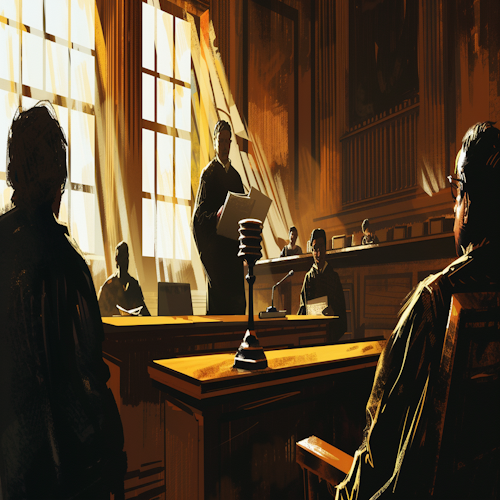
Legal Resources and Support Services
Traversing the eviction process can be complicated, so having access to legal resources and support services is essential. You don’t have to navigate this alone. Many organizations provide help, including legal advice and support groups, to assist you.
| Service Name | Description |
|---|---|
| Legal Aid of Alabama | Offers free legal assistance to low-income individuals. |
| Huntsville Housing Authority | Provides resources for housing-related issues and tenant rights. |
| Alabama Appleseed Center | Advocates for policies that improve housing stability. |
| Community Action Partnership | Offers support in financial planning and renting resources. |
| Local Bar Association | Can help you connect with lawyers who specialize in eviction cases. |
These resources can provide you with knowledge, legal representation, and emotional support during the eviction process. Taking advantage of these services makes a real difference. Don’t hesitate to reach out for help—it’s an important step toward protecting your rights and finding a solution.
Frequently Asked Questions
How Long Does the Eviction Process Typically Take in Huntsville?
In Huntsville, the eviction process usually takes about four to six weeks. It can vary, though, depending on factors like court schedules and whether you file any appeals or disputes during that time.
Can Tenants Appeal an Eviction Ruling in Huntsville?
Yes, you can appeal an eviction ruling in Huntsville. You’ll have a limited time to file your appeal, so it’s vital to act quickly, gather your documents, and seek legal advice to strengthen your case.
What Are the Fees Associated With Filing an Eviction in Huntsville?
When you file an eviction in Huntsville, you’ll typically pay a filing fee, which varies by court. Make sure to check with the local court for exact costs, as they may change over time.
Are There Any Eviction Moratoriums Currently in Place in Huntsville?
Right now, there aren’t any eviction moratoriums in Huntsville. You should check local news or the city’s official website for updates, as situations can change quickly, affecting your rights as a tenant. Stay informed!
What Evidence Is Needed to Support a Tenant’s Case in Court?
You’ll need to gather documents like lease agreements, payment records, and any communication with your landlord. In fact, 75% of successful tenants bring strong evidence, so collect everything that supports your case to improve your chances.
We Will Buy Your House
We Buy Houses In Any Condition.Conclusion
In Huntsville, the court acts as a battleground where landlords and tenants clash over eviction disputes. On one side, the landlord seeks resolution and the right to remove a tenant; on the other, the tenant fights to protect their home and rights.
Understanding this process can empower you, whether you’re a tenant confronting eviction or a landlord enforcing your rights. Remember, knowing your options and seeking support can make all the difference in this challenging situation.