Did you know that nearly one-third of people in rural Huntsville rely on septic systems for waste management? If you’re among them, understanding how to keep your system functioning well is vital. Regular inspections and the right maintenance can save you from unexpected issues and expensive repairs.
You might be surprised at how simple changes can make a big difference in your system’s health and the environment. So, what are the key steps you should take to guarantee your septic system runs smoothly? In this article, we discussed maintenance tips for septic systems common in rural Huntsville areas.

Key Takeaways
- Schedule regular inspections every one to three years to identify potential issues and ensure proper functioning of your septic system.
- Maintain proper drainage by ensuring the ground slopes away from the septic system and directing rainwater away with gutters and downspouts.
- Monitor water usage carefully, fixing leaks and spreading out laundry loads to prevent overwhelming the system and causing costly repairs.
- Avoid harmful chemicals, opting for eco-friendly cleaning solutions to protect beneficial bacteria essential for septic system health.
- Educate household members on proper disposal practices to prevent flushing non-biodegradable products that can harm the system and contaminate groundwater.
We Will Buy Your House
We Buy Houses In Any Condition.
Understand Your Septic System
To truly care for your septic system, it helps to understand how it works. A septic system is mainly composed of a septic tank and a drain field. The wastewater from your home flows into the septic tank. This tank holds the waste, letting solids settle at the bottom. Bacteria break down the solids over time, changing them into liquid that can safely move to the drain field.
The drain field is where the treated wastewater is dispersed into the ground. Here, soil acts as a natural filter, cleaning the water before it enters the groundwater. It’s crucial to keep the system balanced. Avoid flushing non-biodegradable items like wipes, tampons, or grease, as these can clog the tank and disrupt the breakdown process.
Everything you put down your drains impacts your system. Using too many harsh chemicals can kill bacteria that help break down the waste. Being mindful of your water usage is also critical. Overloading your system can cause it to fail. By understanding these basics, you can help guarantee your septic system operates smoothly, saving you time and money in the long run.
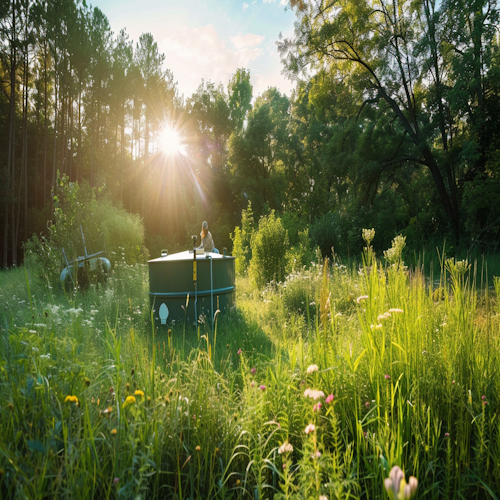
Schedule Regular Inspections
Regular inspections are a key part of maintaining your septic system. Having a professional check your system regularly can help you catch problems before they turn into costly repairs.
It’s generally recommended to schedule inspections every one to three years. Here are some things to keep in mind during your inspections:
- Check for leaks: Inspect for any signs of leaks or standing water near the tank or drainage field. This could indicate a more significant issue.
- Examine sludge levels: Technicians will measure the sludge and scum layers in your tank. They’ll tell you if it needs pumping.
- Evaluate pipe condition: The inspector should look at the inlet and outlet pipes to check for blockages or damage. Any issues here can affect your system’s efficiency.
- Review overall layout: Understanding the layout of your septic system helps in knowing maintenance needs and potential problem areas in the future.
We Will Buy Your House
We Buy Houses In Any Condition.
Maintain Proper Drainage
Maintaining proper drainage is essential for your septic system‘s health. When water collects around your septic tank or drain field, it can lead to serious issues. Guaranteeing good drainage helps keep the soil around your system from becoming too saturated. You should always check for any standing water in your yard, particularly near your septic system. If you spot any, it’s time to address the situation.
To improve drainage, make sure the ground slopes away from your septic system. Avoid planting trees or shrubs with deep roots nearby, as they can damage your system. Instead, consider using grass or shallow-root plants. Installing gutters and downspouts can also direct excess rainwater away from your system, protecting it from overload. Regularly inspect your drainage ditches and guarantee they’re clear of debris and blockages.
You may need to clean them out occasionally to maintain proper flow. If you’re unsure about how to manage drainage, consider consulting a professional. Taking these steps now can prevent costly problems later and keep your septic system running smoothly for years to come.
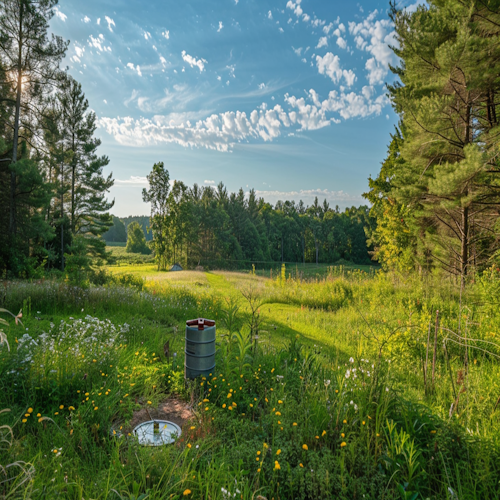
Monitor Water Usage
Keeping your septic system well-balanced goes hand in hand with monitoring your water usage. If you’re not careful, too much water can overwhelm your system and lead to costly repairs.
Here are some easy tips to keep your usage in check:
- Fix leaks: Check your faucets and toilets for leaks. Even a small drip can waste a lot of water over time.
- Time your showers: Try to limit shower time to 5-10 minutes. This simple change can save gallons of water daily.
- Use water-efficient appliances: Invest in low-flow showerheads and energy-efficient washing machines. These can substantially reduce your water use without sacrificing comfort.
- Spread out laundry: Instead of doing all your laundry in one day, spread it out over the week. This way, you won’t overwhelm the septic system with too much water at once.
We Will Buy Your House
We Buy Houses In Any Condition.
Avoid Harmful Chemicals
While it’s easy to reach for strong cleaning products, you should be cautious about the chemicals you pour down the drain. Many common household cleaners can harm your septic system. Chemicals like bleach, ammonia, and harsh detergents can kill the beneficial bacteria needed to break down waste. Without these bacteria, your system can fail, leading to costly repairs.
Instead, consider using eco-friendly or natural cleaning solutions. There are plenty of effective alternatives that won’t disrupt your septic system. Baking soda and vinegar, for example, can clean and deodorize without causing damage. They’re safe and help keep your system functioning well.
Also, avoid flushing any chemicals or non-biodegradable products. Items like paints, solvents, and pesticides can create problems for your septic system. They don’t break down properly and can contaminate your groundwater.
Know What to Flush
To keep your septic system healthy, knowing what to flush is essential.
Flushing the wrong items can cause blockages and lead to expensive repairs. Here’s a quick list of what you should flush to maintain a healthy system:
- Human Waste: This should be your main focus. It’s completely safe for your septic system.
- Toilet Paper: Only flush toilet paper that’s labeled as septic-safe. Avoid heavy-duty or extra-thick brands.
- Biodegradable Wipes: Only flush those labeled as “safe for septic systems.” Other wipes can lead to clogs.
- Small Food Scraps: If they’re very small and you don’t have a garbage disposal, you can flush soft food scraps like mashed potatoes.
We Will Buy Your House
We Buy Houses In Any Condition.Frequently Asked Questions
How Can I Locate My Septic Tank Underground?
To locate your septic tank underground, start by finding the tank’s access ports. Use a metal detector or follow the sewer line from your home. You could also check any property plans you have.
What Signs Indicate a Failing Septic System?
If you notice foul odors, pooling water, or slow drains, your septic system might be failing. Don’t ignore signs like gurgling sounds or lush grass over the tank—it’s time to address the issue before it worsens.
Can I Plant Trees Near My Septic System?
You shouldn’t plant trees near your septic system. Their roots can grow into the pipes and cause clogs or damage. Instead, choose low-root plants that won’t interfere with your system’s function or health.
What Should I Do if I Smell Sewage Outside?
If you smell sewage outside, it’s like a warning bell ringing loudly. Don’t ignore it! Check your yard, monitor for leaks, and call a professional. They’ll help you find and fix the problem quickly.
How Does Heavy Rain Affect My Septic System?
Heavy rain can overwhelm your septic system, causing it to become saturated. This may lead to backups or slow drainage. You should avoid using water-heavy appliances until the ground dries out to help prevent issues.
We Will Buy Your House
We Buy Houses In Any Condition.Conclusion
By following these septic system maintenance tips, you can keep your system running smoothly, much like a well-oiled machine. Regular inspections and mindful water usage are your best friends in this endeavor.
Just as we care for our gardens to grow strong plants, taking care of your septic system helps protect the environment and your wallet. So, stay vigilant, avoid flushing the wrong things, and your system will thank you for years to come.
Additionally, you can learn how to keep your Huntsville home safe during the tornado season. You can also learn how to maintain your chimney. Moreover, you can learn energy-efficient maintenance tips for homeowners.