Is there anything more important than protecting your home and loved ones? Installing smoke detectors is just the first step in safeguarding your space against fire hazards. You’ll want to think about placement, regular testing, and maintenance routines to guarantee these devices function properly when needed.
But it doesn’t stop there—implementing practical fire safety practices can make all the difference. What else can you do to create a safe living environment that goes beyond just installing detectors? In this article, we discussed smoke detector and fire safety tips.

Key Takeaways
- Install smoke detectors on every level of the home, including the basement and inside each bedroom, for maximum safety.
- Test smoke detectors monthly and replace batteries at least once a year, even if the alarm sounds.
- Clean smoke detectors every six months with a vacuum to prevent dust buildup and ensure proper functioning.
- Regularly inspect electrical cords for damage and keep combustibles away from heat sources to minimize fire hazards.
- Establish a fire safety zone by trimming landscaping and maintaining clear emergency exits around your home.
We Will Buy Your House
We Buy Houses In Any Condition.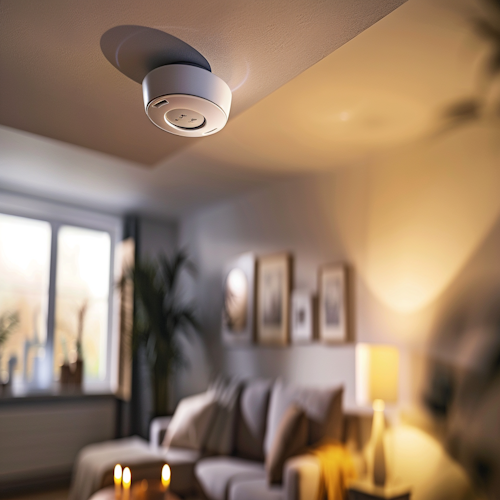
Importance of Smoke Detectors
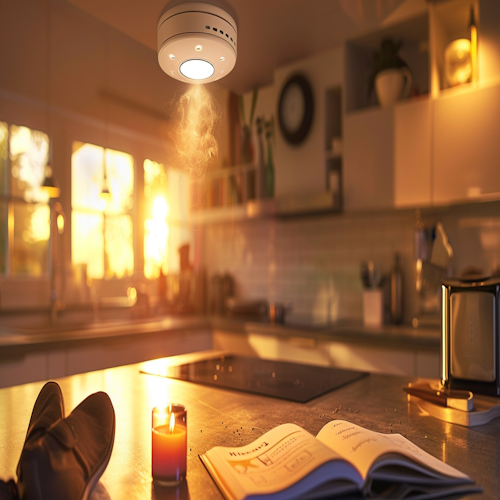
When it comes to home safety, having smoke detectors isn’t just a good idea—it’s essential. These devices can mean the difference between life and death in the event of a fire. A smoke detector senses smoke and sounds an alarm, giving you precious moments to escape or take action.
You might think, “It won’t happen to me,” but fires can start unexpectedly. Whether from a cooking accident, faulty wiring, or an unnoticed candle, the risk is always there. Smoke detectors help mitigate that risk, providing an early warning that can save your life and your loved ones.
It’s not enough to just install them, though. You’ve got to guarantee they’re functioning properly. Regularly test them and replace batteries at least once a year. Also, consider replacing the smoke detector itself every 10 years, as they can wear out over time.
Don’t forget, smoke detectors should be placed in every sleeping area and on every level of your home. Following these simple steps can substantially boost your home’s fire safety. So go ahead, check those detectors—your safety is worth it!

Types of Smoke Detectors
Understanding the different types of smoke detectors is just as important as having them installed. Knowing what’s best for your home can make a significant difference in fire safety.
The main types you’ll want to evaluate are:
- Ionization Smoke Detectors: These are great for detecting fast-flaming fires, like those caused by flammable liquids.
- Photoelectric Smoke Detectors: They work well for smoldering fires, making them ideal for detecting smoke from materials like fabrics and pillows.
- Dual-sensor Smoke Detectors: Combining both ionization and photoelectric technologies, these provide thorough protection for your home.
- Smart Smoke Detectors: These models connect to your home network, sending alerts to your phone and integrating with other smart devices.
- Carbon Monoxide and Smoke Detector Combos: These units detect both smoke and carbon monoxide, offering dual protection in one device.
We Will Buy Your House
We Buy Houses In Any Condition.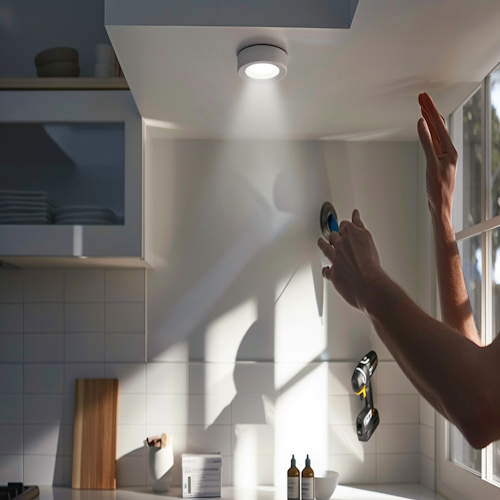
Installing Smoke Detectors
Properly installing smoke detectors is crucial for guaranteeing your home’s safety. Begin by placing detectors on every level of your home, including the basement and in each bedroom, to provide thorough coverage. Don’t forget to install one in hallways leading to sleeping areas.
Here’s a simple guide to help you choose the right spots:
| Location | Recommendation | Notes |
|---|---|---|
| Living Room | 10 feet from cooking appliances | Reduces false alarms |
| Bedrooms | Inside each sleeping area | Essential for nighttime safety |
| Hallways | Between bedrooms and living spaces | Quick alerts for everyone in the home |
| Basement | Ceiling-mounted, at least 6 inches from the wall | Detects smoke before it rises |
| Stairs | At the top and bottom of staircases | Guarantees alerts in case of an escape route |
Once you’ve chosen your locations, follow the manufacturer’s instructions for installation. Use screws or mounting brackets for a secure fit. With proper placement, your smoke detectors will effectively protect your home and family from fire dangers.
Testing and Maintenance
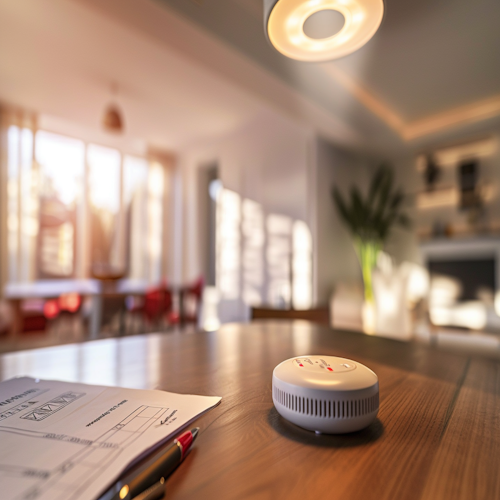
Regularly testing and maintaining your smoke detectors can make all the difference in guaranteeing your family’s safety.
It’s vital to create a routine that keeps these devices in peak working condition.
- Test the detectors monthly by pressing the test button.
- Replace the batteries at least once a year, even if the alarm is still working.
- Clean them every six months, using a vacuum cleaner to remove dust and debris.
- Replace smoke detectors every 10 years to guarantee dependability.
- Keep the maintenance log by noting test dates and actions taken.
We Will Buy Your House
We Buy Houses In Any Condition.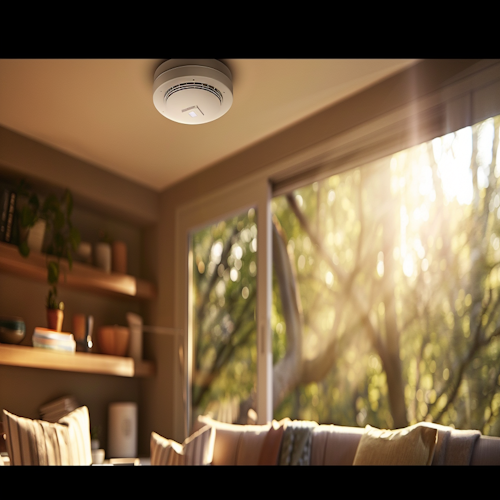
Fire Safety Practices
While fires can start unexpectedly, having effective fire safety practices in place can substantially reduce the risks. First, keep an eye on how you use appliances and flammable materials. Always read labels and maintain safe distances. Here are some key practices:
| Practice | Description | Tip |
|---|---|---|
| Regular Inspections | Check smoke detectors and fire extinguishers. | Replace batteries every six months. |
| Proper Storage | Store combustibles away from heat sources. | Use cabinets for cleaning supplies. |
| Cooking Safety | Never leave cooking unattended. | Keep a lid nearby for grease fires. |
| Electrical Precautions | Inspect cords for fraying or damage. | Avoid overloading outlets. |
Next, establish a fire safety zone around your home. Trim landscaping and keep emergency exits clear. Make sure everyone in your home knows the basics, like how to use a fire extinguisher. Have a designated spot to meet outside, away from danger.
By following these straightforward practices, you’ll be taking the right steps to keep your home and loved ones safe from fire hazards. Stay vigilant and proactive!
Creating an Escape Plan
An escape plan is essential for guaranteeing your family’s safety during a fire. Having a clear and practiced route to exit your home can make all the difference. Start by mapping out two exits from every room, including windows and doors. Make sure all family members know the plan and where to meet outside once they’ve escaped.
Consider these key points when creating your escape plan:
- Identify Escape Routes: Plan two ways out of each room.
- Set a Meeting Spot: Choose a location outside where everyone will gather.
- Use Simple Language: Verify everyone understands the plan.
- Practice Regularly: Conduct drills to keep everyone familiar with the routes.
- Stay Calm: Remind your family to remain calm and focused during a real emergency.
It’s vital to be proactive. By following these steps and discussing your escape plan regularly, you’ll build confidence in your family’s ability to respond swiftly.
We Will Buy Your House
We Buy Houses In Any Condition.
Educating Family Members
Educating family members about fire safety is essential for ensuring everyone knows how to react in an emergency. Start by holding regular discussions that break down what to do in case of a fire. You can use simple, relatable scenarios to make the information stick. Ask each family member to share what they’d do if they smelled smoke or heard the alarm go off.
Make sure everyone knows how to recognize smoke detector signals and understands the importance of keeping those detectors in working condition. Teach your family how to safely exit the home using your pre-planned escape routes and remind them to stay low to avoid smoke inhalation.
Encourage everyone to participate in fire drills. Practice makes perfect, and these drills give everyone hands-on experience and confidence in their response.
Consider involving young children by explaining fire safety in a fun way, using games or stories. Reinforce that it’s imperative they never hide from smoke or fire; they should always exit and find help.
Lastly, be open to questions. Giving family members a chance to voice their concerns or misunderstandings can help everyone feel more prepared and secure. Fire safety is a shared responsibility!
Frequently Asked Questions
How Often Should I Replace Smoke Detector Batteries?
You should replace smoke detector batteries every six months. Mark it on your calendar or tie it to an event, like daylight saving time. Regular maintenance keeps your alarms functional and guarantees your safety.
Can Smoke Detectors Be Connected to Smart Home Systems?
Connecting smoke detectors to smart home systems is as easy as pie. It lets you receive alerts on your phone, ensuring you’re always in the loop about your home’s safety, even when you’re away.
What Should I Do if My Smoke Detector Keeps Beeping?
If your smoke detector keeps beeping, check the batteries first. Replace them if necessary. If it continues, clean the unit, or consider replacing it. Sometimes, low humidity can also cause false alarms, so adjust the environment.
Are There Smoke Detectors Specifically for the Hearing Impaired?
Yes, there are smoke detectors specifically designed for the hearing impaired. These devices use visual alerts like strobe lights and vibrations to notify you during a fire, ensuring you stay informed and safe in emergencies.
Can Smoke Detectors Detect Carbon Monoxide as Well?
You might be surprised that over 430 people die from carbon monoxide poisoning each year. Many smoke detectors can’t detect it, but combo units exist that sense both smoke and carbon monoxide for thorough safety in your home.
We Will Buy Your House
We Buy Houses In Any Condition.Conclusion
In short, smoke detectors are your first line of defense against fire, cutting the risk of dying in a reported fire by 50%. By installing and maintaining them properly, you create a safer home for your loved ones.
Combine that with smart fire safety practices and a well-thought-out escape plan, and you’ll reduce the chances of a disaster striking. Stay proactive, stay safe, and make fire safety a priority in your household.
Additionally, you can learn how to properly insulate your home for year-round comfort. You can also learn smart home technology maintenance tips for your home from this article.