Testing your home’s air quality, maintaining clean air, and enhancing your indoor environment are essential steps for a healthy living space. In Huntsville, it’s important to know how to check for pollutants. You can use digital monitors or DIY kits for accurate results.
Make sure to seal windows and doors during tests to avoid outside interference. Regular checks every few months can help, but what else can you do to guarantee consistent air quality? Understanding further can lead to a clearer plan for keeping your home’s air fresh and safe. In this article, we discussed how to test and maintain your home’s indoor air quality in Huntsville.
Key Takeaways
- Utilize digital air quality monitors to track pollutants like carbon dioxide and particulate matter in your Huntsville home.
- Regularly use DIY test kits or hire professionals to assess indoor air quality for allergens and pollutants.
- Improve ventilation by opening windows and using exhaust fans to reduce moisture and circulate fresh air.
- Invest in HEPA air purifiers to effectively trap dust, pet dander, and other allergens.
- Maintain indoor plants that can naturally enhance air quality and reduce harmful pollutants.
We Will Buy Your House
We Buy Houses In Any Condition.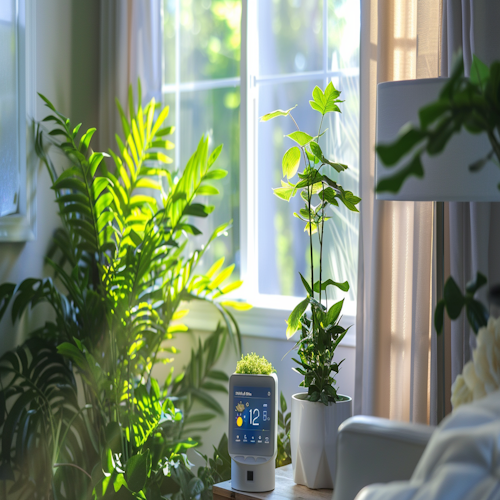
Understanding Indoor Air Quality
Indoor air quality matters more than you might think. It affects your health and comfort at home. When the air inside your house isn’t clean, it can lead to problems like allergies, headaches, and fatigue. Knowing about indoor air quality helps you create a safer space for your family. You might be surprised to learn that we spend about 90% of our time indoors.
That means what’s in your indoor air really counts. Factors like humidity, temperature, and ventilation play big roles in air quality. Good air quality makes your home feel fresh and comfortable, while poor air quality can lead to serious issues.
It’s essential to stay aware of the air you breathe. This means checking that your heating, ventilation, and air conditioning (HVAC) systems are in good shape. Regularly changing air filters helps, too. They catch dust and other particles, keeping your air cleaner.
Common Pollutants in Homes
While you might not always notice them, common pollutants lurk in many homes. They can affect your health and comfort. Here are some of the most common indoor air pollutants and their sources:
| Pollutant | Common Sources |
|---|---|
| Dust Mites | Bedding, carpets, upholstery |
| Pet Dander | Animals, fur, skin flakes |
| Mold Spores | Damp areas, bathrooms, basements |
| Volatile Organic Compounds (VOCs) | Paints, cleaners |
| Tobacco Smoke | Smoking indoors |
Dust mites thrive in warm, humid environments. Reducing humidity can help control them. Pet dander can cause allergies, so regular cleaning is key if you have pets. Mold thrives in moisture, so fix leaks and guarantee good ventilation to prevent growth.
VOCs come from everyday products you use, such as fragrances and cleaning supplies. Opt for low-VOC products when possible. Finally, if someone smokes in your home, it not only smells bad but also pollutes the air.
We Will Buy Your House
We Buy Houses In Any Condition.
Tools for Testing Air Quality
Understanding the sources of indoor air pollutants is just the beginning. To truly take charge of your home’s air quality, you’ll need the right tools for testing.
There are several options available that can help you measure different types of pollutants. One popular choice is a digital air quality monitor. These devices track levels of common pollutants like carbon dioxide, particulate matter, and volatile organic compounds. They often provide real-time data, so you can see how your air quality changes throughout the day.
Another option is to use passive air sampling kits. These kits collect air samples over various periods. You can then send these samples to a lab for analysis. This method can be useful for detecting specific pollutants that aren’t readily measured by digital monitors. If you’re concerned about mold, consider using a mold test kit. These kits allow you to check surfaces or air samples for mold spores.
Lastly, don’t overlook simple methods like odor detection or visual inspections. Sometimes, your senses will alert you to air quality issues. With these tools in hand, you’re equipped to assess and maintain your indoor air quality effectively.
Steps to Test Your Air
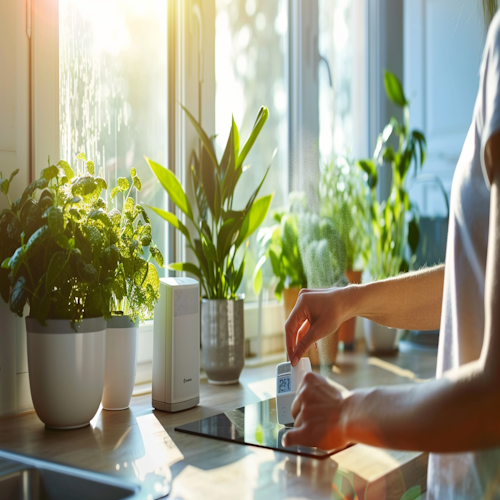
Testing your air doesn’t have to be complicated. Start by choosing a testing method that works for you. You can use a DIY test kit or hire a professional. If you go the DIY route, follow the instructions closely.
First, pick a room where you spend a lot of time. Seal the windows and doors to prevent outside air from mixing in. Set up your test kit according to the guidance. This usually requires leaving the kit in the room for a specified time, like 2 to 4 hours.
Next, if you’re hiring a professional, find a reputable indoor air quality expert. They’ll use advanced tools to check for pollutants like mold, dust mites, or chemicals. After they complete the tests, ask for a detailed report explaining the results.
Once you’ve collected your air quality data, review it. Look for any high levels of contaminants. This information will guide your next steps in maintaining better air quality at home. Regular testing every few months is a smart way to keep your indoor environment safe and healthy. Keep your family breathing easy!
We Will Buy Your House
We Buy Houses In Any Condition.
Tips for Improving Air Quality
To enhance your indoor air quality, start by improving ventilation. Good airflow helps reduce pollutants and brings in fresh air.
Here are three simple tips to make that happen:
- Open Windows: Whenever the weather allows, open windows to let fresh air circulate. This can help reduce stale air and lower indoor pollutants.
- Use Exhaust Fans: Turn on exhaust fans in kitchens and bathrooms. They remove moisture and odors, helping to keep the air clean.
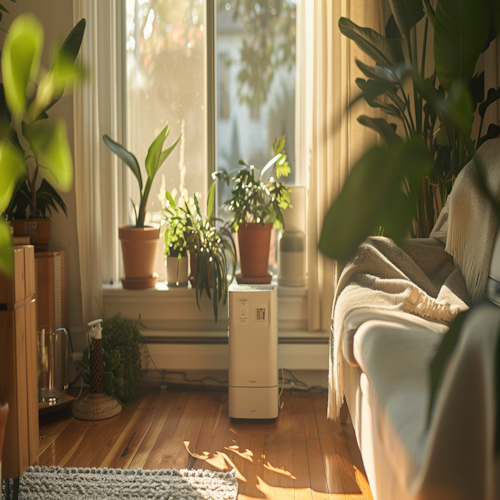
- Invest in Air Purifiers: Consider using air purifiers with HEPA filters. They can trap dust, pollen, and allergens, making your air cleaner.
In addition to these tips, be mindful of your indoor plants. Certain plants can improve air quality naturally. Just make sure to care for them well, as decaying plants can do the opposite.
These steps can make a significant difference in your home’s air quality. You’ll breathe easier and create a healthier living environment for you and your family. Remember, a little effort goes a long way in maintaining fresh air indoors!
Regular Maintenance Practices
Regular maintenance practices are key to keeping your indoor air quality at its best. One of the simplest tasks is changing your HVAC filters regularly. Aim to replace them every 1 to 3 months. Clogged filters can trap dust and pollutants, leading to poorer air quality.
Another important step is to clean your home frequently. Dust surfaces, vacuum carpets, and clean your air ducts. This prevents dust and allergens from building up and circulating through your air.
Also, check for leaks and moisture in areas like the bathroom and kitchen. Mold thrives in these conditions, and it can negatively affect your health and air quality. Using exhaust fans can help minimize moisture.
Finally, make sure your household appliances are functioning properly. Broken appliances can release harmful gases, so look for signs of wear and tear.
We Will Buy Your House
We Buy Houses In Any Condition.
When to Seek Professional Help
If you’re noticing persistent air quality issues despite your best efforts, it might be time to call in professionals. Tackling air quality can be tricky, and sometimes you need expert help to get it right.
Here are a few signs that indicate when to seek assistance:
- Frequent Allergies or Illnesses: If you or your family members constantly struggle with allergies or respiratory issues, a professional can identify problem sources in your home.
- Visible Mold or Mildew: Finding mold growth or mildew, no matter how small, signals a serious air quality issue. Professionals can safely remove it and prevent future outbreaks.
- Unusual Odors: If your home has persistent or strange smells that you can’t identify, it’s wise to bring in an expert. They can detect issues like gas leaks or hidden mold.
Don’t wait too long to consult with professionals. Early intervention can save you time, money, and health issues.
Frequently Asked Questions
How Often Should I Test My Home’s Air Quality?
You should test your home’s air quality at least once a year. If you notice problems like mold or odors, test more often. Keeping track can help you maintain a healthy environment for everyone.
Can Houseplants Improve Indoor Air Quality?
Yes, houseplants can improve indoor air quality. They absorb carbon dioxide and release oxygen, making your space feel fresher. Some plants also filter out toxins, helping you breathe easier and enjoy a healthier environment.
What Are Symptoms of Poor Indoor Air Quality?
Poor indoor air quality’s like a hidden storm. You might feel headaches, fatigue, or respiratory issues. Sneezing and coughing can crop up too. If you notice these symptoms, it’s time to take action for clearer air.
Is Air Quality Different in Summer vs. Winter?
Yes, air quality can differ in summer and winter. In summer, heat and humidity can increase pollutants. In winter, indoor heating can dry out air, affecting comfort. You should monitor both seasons for changes.
Does Cooking Affect Indoor Air Quality?
When you sauté garlic, the aroma fills the kitchen, but smoke and steam can pollute indoor air. Cooking releases pollutants, so it’s wise to ventilate. Open windows or use an exhaust fan while cooking.
We Will Buy Your House
We Buy Houses In Any Condition.Conclusion
In short, keeping your home’s air quality in check is like tending a garden. Regular testing helps you spot pollutants before they take over. Use monitors or DIY kits to measure air quality, and don’t forget to ventilate your space.
Make it a habit to check every few months and follow tips to improve the air you breathe. If things seem off, don’t hesitate to call in a pro. Fresh air is key to a healthy home!
Additionally, you can learn simple ways to extend the lifespan of your home appliances. You can also learn how to clean and maintain hardwood floors in Huntsville homes.