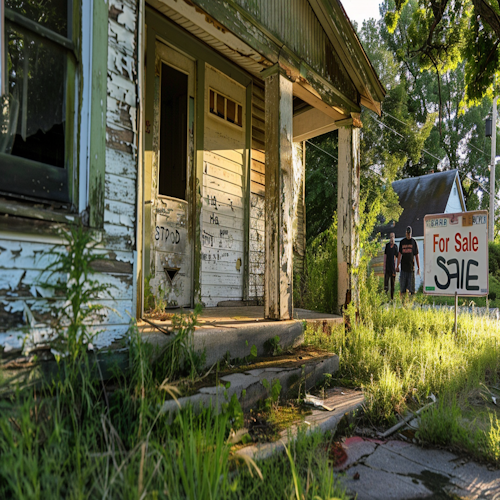
If you’re facing foreclosure in Huntsville, AL, bankruptcy might be a useful option to weigh. When you file for bankruptcy, it automatically stops most collection actions, giving you essential time to work through your financial situation. This pause can provide the space you need to strategize your next steps and potentially save your home. But how do different types of bankruptcy affect your situation? How bankruptcy can help stop foreclosure in Huntsville, AL? Understanding these options is imperative as you navigate this challenging time.
Key Takeaways
- Filing for bankruptcy initiates an automatic stay, halting foreclosure proceedings and providing critical time to resolve financial issues.
- Chapter 13 bankruptcy allows homeowners to create repayment plans, enabling them to catch up on missed mortgage payments over three to five years.
- Bankruptcy can discharge certain unsecured debts, reducing overall financial burdens and freeing up funds for mortgage payments.
- Consultation with a bankruptcy attorney is essential to navigate the process effectively and explore the best strategies for stopping foreclosure.
- After filing, attending the creditors’ meeting is vital for discussing debts and remaining committed to repayment plans to avoid further financial complications.
We Will Buy Your House
We Buy Houses In Any Condition.
Understanding Foreclosure in Huntsville
When you find yourself facing financial difficulties, understanding foreclosure in Huntsville becomes essential. Foreclosure is the legal process a lender uses to reclaim a property when you can’t keep up with mortgage payments. It can be a scary situation, but knowing how it works can help you face it with confidence.
In Huntsville, the foreclosure process typically starts after you miss a few mortgage payments. Your lender will send you notices, urging you to pay the overdue amount. If you still don’t respond, they may file a lawsuit or reach out for a public auction. This can happen swiftly, often within a few months.
You have rights during foreclosure. You can communicate with your lender to explore options like loan modification or repayment plans. It’s vital to act quickly and not ignore the problem, as this can lead to losing your home.
Knowing the timeline and your options will help you make informed decisions. Seek help from a housing counselor or an attorney if needed. Understanding foreclosure can empower you to take action and explore alternatives that might save your home.

Overview of Bankruptcy Types
Bankruptcy can offer a way out of overwhelming debt, allowing you to regain control over your finances.
There are a few main types of bankruptcy, each suited to different situations. Here’s a quick overview:
- Chapter 7: This is a liquidation bankruptcy. It lets you eliminate most unsecured debts, like credit cards, while your non-exempt assets may be sold to pay creditors.
- Chapter 13: Known as a reorganization bankruptcy, Chapter 13 allows you to create a repayment plan to pay back your debts over three to five years. You can keep your assets, including your home.
- Chapter 11: Typically used by businesses, Chapter 11 allows companies to restructure their debts while continuing operations. Individuals with very high debts may also use this option.
- Chapter 12: This type is designed for family farmers and fishermen, providing similar benefits to Chapter 13, but tailored for their specific needs.
Understanding these bankruptcy types can help you decide which path may suit your financial situation best. Each option has its pros and cons, so it’s important to assess what fits your needs.
We Will Buy Your House
We Buy Houses In Any Condition.
How Chapter 7 Works
If you’re overwhelmed by debts and considering relief, Chapter 7 can be a viable option. This type of bankruptcy allows you to wipe out most of your unsecured debts, like credit cards and medical bills, giving you a fresh start. The process begins when you file a bankruptcy petition in court. You’ll need to provide information about your income, expenses, and assets.
Once you file, an automatic stay goes into effect. This means creditors can’t take collection actions against you or your property while your case is ongoing. A trustee will be appointed to review your case, and they’ll look into your assets to determine what can be sold to pay debts. However, many people can keep their essential belongings through exemptions.
Typically, Chapter 7 takes about three to six months to complete. Once the court discharges your qualifying debts, you’re no longer legally required to pay them. This relief can help stop foreclosure and give you a chance to regain financial stability. Remember, though, it’s important to consult with a bankruptcy attorney to understand what this process means for your specific situation.
How Chapter 13 Works
While many people seek relief through Chapter 7, Chapter 13 offers a different approach to managing debts. With this option, you can create a repayment plan that usually lasts three to five years. This allows you to keep your home and other assets while paying off creditors on a manageable schedule.
Here’s how Chapter 13 works for you:
- Repayment Plan: You propose a plan to pay back a portion of your debts over time, often based on your income.
- Keep Your Home: Filing for Chapter 13 can halt foreclosure proceedings, giving you time to catch up on missed mortgage payments.
- Lower Payments: You might end up paying less than the total debt amount, depending on your situation and what you owe.
- Automatic Stay: The moment you file, an automatic stay goes into effect, which stops creditors from pursuing you, including foreclosure actions.
This path can help you regain control of your finances while keeping your home safe from foreclosure.
We Will Buy Your House
We Buy Houses In Any Condition.
The Bankruptcy Process Explained
Understanding how Chapter 13 works can be a stepping stone to grasping the bigger picture of the bankruptcy process. In a bankruptcy case, you’ll find different steps and terms that are key to traversing this journey. Here’s a basic overview:
| Step | Description |
|---|---|
| Filing for Bankruptcy | You start by filling out a petition and submitting it to the court. |
| Automatic Stay | Once you file, an automatic stay happens, stopping most collection actions against you. |
| Repayment Plan | You’ll create a repayment plan to pay back your debts over three to five years. |
During the bankruptcy process, it’s crucial to have all your financial documents ready. The court will review these documents to confirm your income and debts. You’ll attend a meeting of creditors as well, where you’ll answer questions about your financial situation.

Benefits of Filing for Bankruptcy
Filing for bankruptcy can offer you a fresh start when financial burdens become overwhelming. It’s not just a way to cope with debts but can also be a tool to protect your home and give you peace of mind.
Here are some key benefits you might experience:
1. Stop Foreclosure: Bankruptcy can halt foreclosure proceedings, giving you time to sort through your finances and find a solution.
2. Automatic Stay: As soon as you file, an Automatic Stay goes into effect.
This means creditors must stop contacting you and cease collection efforts.
3. Debt Discharge: Depending on the type of bankruptcy you file, certain unsecured debts may be erased, relieving you of financial strain.
4. Fresh Financial Start: After going through bankruptcy, you’ll have a clean slate.
You can rebuild your credit and create better financial habits moving forward.
We Will Buy Your House
We Buy Houses In Any Condition.
Next Steps After Filing
Once you’ve filed for bankruptcy, it’s essential to take the right steps to guarantee a smoother recovery. First, stay in contact with your bankruptcy attorney.
They’ll guide you through the process and help you understand what to expect next. Make sure you respond to any requests for information promptly.
Next, keep making your regular payments on your debts if you’re able. This includes your mortgage payments, which can prevent further issues with foreclosure. If you can’t afford these payments, discuss options with your attorney, who can suggest alternatives.
Monitor your financial situation closely. Keep track of expenses, income, and any changes in your financial circumstances. This will help you make informed decisions moving forward. You should also attend the mandatory creditors’ meeting. This meeting is essential and typically takes place a few weeks after you file. It gives you an opportunity to clarify debts and discuss your repayment plan.
Lastly, focus on rebuilding your credit. Consider secured credit cards or small loans. With time and good habits, you can improve your credit score and regain financial stability.
Frequently Asked Questions
Can I Keep My House if I File for Bankruptcy?
If you file for bankruptcy, you might be able to keep your house. It depends on your situation, like how much equity you have and the type of bankruptcy you choose. Consider seeking professional advice.
How Will Bankruptcy Affect My Credit Score?
Imagine your credit score as a garden. Bankruptcy’s like a hard freeze—it might damage it temporarily. Don’t worry; with care and time, you can nurture it back to health and bloom again.
What Debts Can Bankruptcy Discharge?
Bankruptcy can discharge various debts, like credit card bills, medical expenses, and personal loans. It won’t eliminate some debts, such as student loans or child support, so crucial to know what applies to your situation.
How Long Does the Bankruptcy Process Take?
You might think bankruptcy takes forever, but it doesn’t have to. Typically, the process lasts three to six months. You’ll feel relief as your debts start to fade and your financial future brightens.
Do I Need a Lawyer to File for Bankruptcy?
You don’t necessarily need a lawyer to file for bankruptcy, but having one can simplify the process and help you avoid mistakes. It’s often wise to consult a professional for guidance and support throughout the filing.
We Will Buy Your House
We Buy Houses In Any Condition.Conclusion
To summarize, if you’re facing foreclosure in Huntsville, bankruptcy can be your financial lifeline. Just like a knight in shining armor, it swoops in to protect you from overwhelming debt. By filing for bankruptcy, you get the chance to pause foreclosure and reevaluate your options. Remember, you’re not alone in this battle; take the next steps and seek help to navigate your path toward a fresh start. You’ve got this!
Additionally, you can learn how to apply for forbearance in Huntsville during financial hardship. You can also learn about the difference between short sales and foreclosures to figure out which one is best for you.