

You might not think much about your windows and doors, but those tiny gaps can lead to big problems. In Huntsville, sealing your windows and doors isn’t just about comfort; it’s about saving money on energy bills, too. Drafts can push your heating and cooling systems to work harder, and that means higher bills.
Plus, unsealed areas can allow moisture to sneak in, leading to mold and damage over time. So, what are the signs that your seals are worn? Let’s explore how to keep your home cozy and protected. In this article, we discussed the importance of regular window and door sealing in Huntsville.

Key Takeaways
- Regular sealing of windows and doors prevents drafts, enhancing home comfort and reducing the need for excessive heating or cooling.
- Properly sealed openings help lower energy bills by maintaining a consistent indoor temperature and minimizing energy waste.
- Sealing protects against moisture damage, preventing mold growth, wood rot, and structural issues that can be costly to repair.
- Regular inspections of seals ensure they remain intact, safeguarding your home investment and improving overall indoor air quality.
- Energy efficiency in sealing also contributes to environmental protection by reducing energy consumption and associated emissions.
Understanding Window and Door Sealing
When you think about keeping your home cozy and energy-efficient, window and door sealing often comes to mind. Sealing your windows and doors is one of the simplest ways to enhance comfort in your home. It helps block out drafts and keeps your heated or cooled air inside. You don’t want to waste money on energy bills because of tiny gaps.
Understanding how sealing works is key. When you install weatherstripping or caulk around windows and doors, you create a tight barrier. This barrier prevents outside air from sneaking in while keeping your indoor climate stable. Imagine sipping hot cocoa in winter without that chilly draft interrupting your cozy moment.
Different materials work for different parts of your home. For instance, foam tape is great for door bottoms, while caulk can fill gaps around window frames. It’s effective and often an easy DIY project. Besides, new seals can make your home quieter, blocking outside noise. Regularly check your seals to guarantee they’re doing their job. With a little maintenance, you’ll enjoy a comfortable space that feels just right, no matter the season.
Signs of Worn Seals
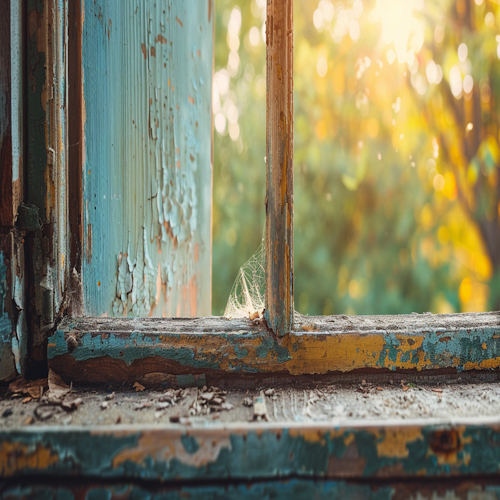
Worn seals can lead to discomfort in your home, often showing signs that it’s time for a replacement. One clear indication is drafts. If you feel a chill by your windows or doors, it’s a signal that warm air is escaping.
You might also notice higher energy bills. When you’re heating or cooling your home, inefficient seals make your system work harder, costing you more.
Another sign is visible damage. Look for cracks or gaps in the seals. If they seem brittle or cracked, your seals aren’t doing their job. Additionally, pay attention to moisture buildup. If you see condensation between the window panes, the seal may be failing, leading to potential mold issues. Finally, listen for noise. If outside sounds seem louder than usual, your seals may no longer be effective.
Benefits of Regular Sealing
Maintaining regular sealing on your windows and doors can substantially enhance your home’s comfort and energy efficiency. When you take the time to seal them, you’ll notice several key benefits that improve your living space.
- Prevent drafts: You’ll stop that chilly air from sneaking in during winter, making your home cozier.
- Reduce noise: Sealed windows and doors can help muffle outside sounds, so you’ll enjoy a quieter environment.
- Enhance indoor air quality: By sealing properly, you keep out dust and allergens, promoting a healthier atmosphere for you and your family.
- Save money: A tight seal can lower your utility bills since your HVAC system won’t have to work as hard to maintain your desired temperature.
When you make regular sealing a priority, you’re not just improving comfort, but also safeguarding your investment. It’s a simple task that has a big payoff. Taking action now prevents issues down the line, ensuring your home remains a sanctuary throughout the seasons.
Energy Efficiency in Huntsville
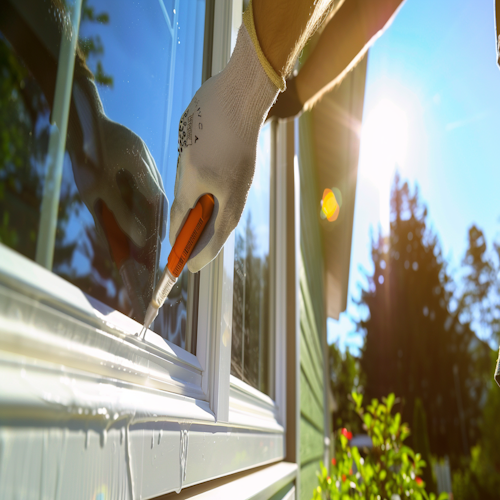
In Huntsville, energy efficiency can make a significant difference in both your comfort and your utility bills. When your windows and doors are sealed properly, they help keep your home at a consistent temperature. This means you won’t have to crank up the heater in winter or blast the air conditioner in summer.
Think about those chilly nights when the draft creeps in. You probably find yourself rubbing your hands together, wishing you could feel warm without raising the thermostat. By sealing those gaps around your windows and doors, you create a cozy space without wasting energy.
It’s not just about comfort, though; it’s also about saving money. When your heating and cooling systems don’t have to work overtime, you’ll notice that your utility bills drop. A small, easy investment in sealing can pay off quickly. Plus, you’ll do your part in protecting the environment. Using less energy means fewer resources are consumed.
Preventing Moisture Damage
While you may not think about it often, the gaps around your windows and doors can let in moisture, leading to serious damage over time. It’s easy to overlook this issue until you notice signs of trouble. Preventing moisture damage is vital for your home’s health.
- Mold growth: Dampness promotes mold, which isn’t just unsightly; it’s also hazardous to your health.
- Wood rot: Excess moisture can weaken the wood in your frames, causing them to decay.
- Paint damage: Water intrusion can lead to peeling and flaking paint, making your home look worn.
- Structural issues: Over time, moisture can compromise your home’s structure, leading to costly repairs.
How to Seal Windows and Doors
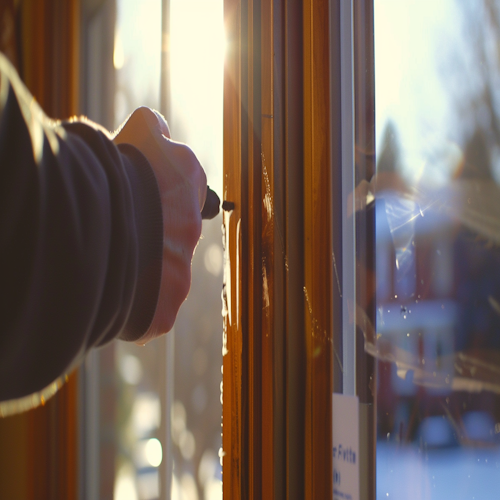
Sealing your windows and doors is a simple yet effective way to protect your home from moisture damage and improve energy efficiency. Start by inspecting the frames for any gaps or cracks. You can easily do this during your next household check-up.
If you notice any issues, grab some caulk from your local hardware store. Caulk is perfect for filling small gaps around your windows and doors. Apply it using a caulking gun for a neat and even finish.
Next, check the weatherstripping. It helps keep the outside air from sneaking in. If it’s worn out or missing, replace it with new weatherstripping. It’s usually easy to install and can make a big difference in keeping your home comfortable.
Don’t forget about the door sweep! This is the piece that sits at the bottom of your door. If it’s damaged or not sealing properly, swap it out for a new one.
Finally, after sealing, check for any drafts using a lighted candle. Move it around the edges; if the flame flickers, you’ll know you’ve got a draft that needs attention. Regular sealing isn’t just about comfort; it’s about protecting your investment.
Professional vs. DIY Sealing
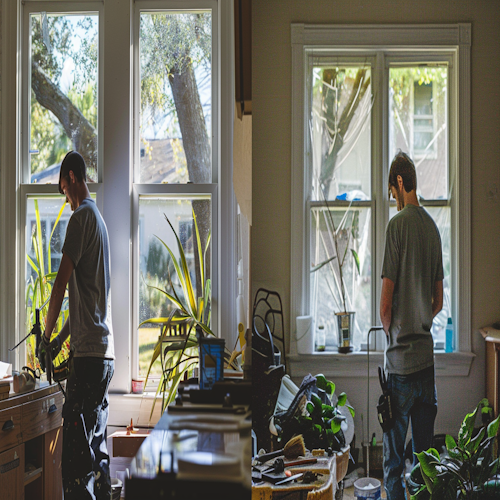
Deciding between professional help and a DIY approach for sealing windows and doors can be tricky. Both options have their merits, and your choice depends on your needs and skills.
Here’s a simple breakdown to help you choose:
- Cost: DIY can save you money on labor costs. However, hiring a pro means you won’t have to buy tools you might only use once.
- Time: If you’re busy, professionals often complete the work faster. Nonetheless, DIY allows you to work at your own pace.
- Expertise: Pros know what they’re doing. They’ve dealt with all sorts of issues, while you might lack experience.
- Quality: A professional job usually means better materials and techniques. Yet, if you’re handy, you might surprise yourself with how well you can do it.
Before you decide, consider your budget, time constraints, and storage for tools. If sealing is just one of your many home projects, hiring a pro might be the way to go. But if you enjoy hands-on work, tackling it yourself can be rewarding and educational.
Frequently Asked Questions
How Often Should I Check My Window and Door Seals?
You should check your window and door seals at least twice a year, especially during seasonal changes. Look for drafts or cracks; even small issues can lead to bigger problems, like energy loss and discomfort.
What Materials Are Best for Sealing Windows and Doors?
Sealing windows and doors is like wrapping gifts; you want the best materials. Use weatherstripping for flexibility, caulk for gaps, and foam insulation for tight spaces. These choices guarantee a snug, energy-efficient fit around your home.
Can I Seal Windows and Doors in Winter?
Yes, you can seal windows and doors in winter. Just make sure the surfaces are clean and dry. Using weatherstripping or caulk helps block cold drafts, keeping your home cozy and energy efficient during those chilly months.
Do I Need Special Tools for Sealing?
Sealing windows and doors is like wrapping gifts — you don’t need fancy materials. You’ll just need caulk, a caulking gun, and maybe a putty knife. With those, you’re ready to tackle any draft.
How Long Do Sealants Typically Last?
Sealants usually last between five and ten years, depending on the type and exposure to weather. Regularly check them and replace any worn-out areas to keep your space efficient and cozy.
Conclusion
Regularly sealing your windows and doors in Huntsville isn’t just a chore; it’s a smart investment. You might think it’s too time-consuming or costly, but think about the money you’ll save on energy bills and the comfort you’ll feel in your home.
With a little effort, you can prevent drafts and moisture damage. Whether you tackle it yourself or hire a pro, sealing your home can make a real difference in your quality of life.
Additionally, you can learn how to properly insulate your home for year-round comfort. Utilizing the services of a professional is wise in some situations, and this article discusses when to call a pro for your home in Huntsville, AL. A home maintenance budget is important for the complete upkeep of your home, and you can learn about that in this article.