

Imagine your neighbor switched to better insulation last winter and saw a noticeable drop in their energy bills, while you’re still bundling up in blankets. It’s clear that proper insulation can make a huge difference in comfort and cost effectiveness, so you might wonder how your home stacks up.
By evaluating what you currently have, choosing the right materials, and sealing gaps effectively, you can enhance your home’s energy efficiency. But what’s the best approach for your specific space? Let’s explore how to properly insulate your Huntsville home for year-round comfort.

Key Takeaways
- Assess your current insulation levels in attics, walls, and floors to identify gaps and areas needing improvement.
- Choose insulation materials suited to Huntsville’s climate, such as fiberglass batts for attics and spray foam for air sealing.
- Ensure proper ventilation in attics to prevent moisture buildup and enhance insulation effectiveness throughout the year.
- Seal any drafts around windows and doors to minimize heat loss and boost overall energy efficiency.
- Schedule regular inspections and maintenance of your insulation systems every six months to ensure optimal performance.
We Will Buy Your House
We Buy Houses In Any Condition.
Understanding Insulation Basics
When it comes to keeping your home comfortable year-round, understanding insulation basics is essential. Insulation helps maintain a steady temperature inside your home by slowing down heat transfer. In simpler terms, it keeps the warm air in during winter and the cool air in during summer.
You might picture insulation as a protective layer, much like a warm blanket. Just as a blanket traps your body heat, insulation traps the air in your home.
There are different types of insulation, like fiberglass, foam, and cellulose, each with unique benefits and ideal uses. For example, fiberglass is popular for attics due to its excellent thermal resistance and affordability.
It’s also important to know the insulation’s R-value, which measures its effectiveness. A higher R-value means better insulating power, helping save on energy bills. Think of it like wearing a thick jacket on a cold day; the thicker the jacket, the warmer you stay.
Understanding these basics equips you to make better choices for your home’s comfort and energy efficiency. So, whether you’re renovating or building, start with a solid grasp of insulation. It makes a big difference in keeping your home cozy!
Assessing Your Home’s Current Insulation
Before you can improve your home’s insulation, this is crucial to assess what you already have. Start by checking your attic, as this is often where a lot of heat escapes.
Look for any gaps or areas with insufficient insulation. You might find old, compressed insulation that isn’t doing its job anymore, or you may even notice a difference in temperature when you touch the walls.
Next, inspect your walls and floors. If you can access your crawl spaces, see if there’s any insulation between the beams. While doing this, keep an eye out for signs of pests or dampness, as these can compromise your insulation.
Don’t forget to check the windows and doors. Look for drafts by feeling around the edges or using a candle to spot air movement. If you notice any cold spots, it’s a clear indication that your insulation isn’t up to par.
Lastly, make a note of any insulation material types you find, like fiberglass or foam. Knowing what you currently have will help you understand what improvements you’ll need for better energy efficiency and comfort throughout the year.
We Will Buy Your House
We Buy Houses In Any Condition.
Choosing the Right Insulation Materials
Choosing the right insulation materials can make a big difference in your home’s comfort and energy efficiency. You’ll want to weigh the different types of insulation available and how they fit your specific needs.
For instance, fiberglass batts are popular for walls and attics because they’re easy to install and effective at trapping heat. If you’re looking for something more versatile, spray foam insulation expands and fills gaps well, but it can be pricier.
If you’re building or renovating, adding rigid foam board can offer great thermal performance, especially around the foundation and exterior walls. On the other hand, cellulose, made from recycled paper products, is an environmentally friendly option that works wonders in wall cavities.
Also, think about your location and climate—certain materials perform better in humid or dry conditions. Plus, check the R-value, which measures insulation’s effectiveness; the higher the R-value, the better the insulation.
Ultimately, picking the right materials means balancing cost, efficiency, and your home’s specific needs. With the right insulation, you’ll enjoy a cozier, more energy-efficient space all year long.
Insulating Attics and Roofs
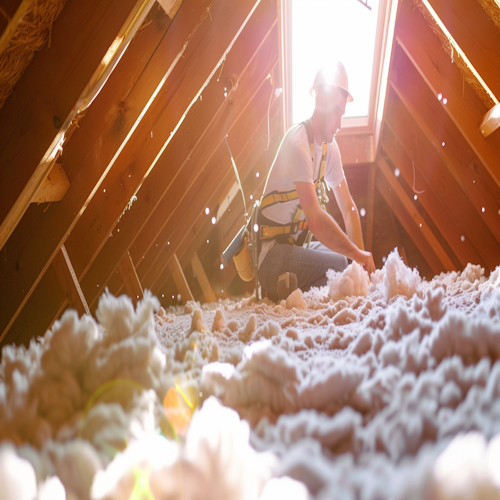
Insulating your attic and roof can substantially impact your home’s energy efficiency and comfort. A well-insulated attic helps maintain a consistent temperature throughout your home, reducing the load on your HVAC system. This not only saves you money but also enhances your living experience.
To choose the right insulation type, consider the following options:
| Insulation Type | R-Value (Resistance to Heat Flow) |
|---|---|
| Fiberglass Batts | R-30 to R-40 |
| Spray Foam | R-6 to R-7 per inch |
| Blown-In Cellulose | R-30 to R-60 |
| Mineral Wool | R-30 to R-38 |
| Reflective Barrier | Varies, depends on installation |
When adding insulation, guarantee proper ventilation to prevent moisture buildup. Insulating between the rafters of your roof keeps your attic cooler in summer and warmer in winter. You may also want to seal any gaps or cracks before insulation to boost effectiveness.
We Will Buy Your House
We Buy Houses In Any Condition.
Sealing Walls and Floors
Sealing walls and floors is a crucial step in enhancing your home’s energy efficiency. When you seal these areas, you’re closing off any gaps or cracks that could let air escape or enter your home. This means you won’t have to work as hard to keep your space cozy during the chilly Huntsville winters or cool during the hot summers.
Start by inspecting your walls and floors for any visible gaps, especially around baseboards, vents, and where the wall meets the floor. If you find any, grab some caulk or expanding foam sealant. This is a simple fix that you can tackle yourself. Just apply the sealant and smooth it out with your finger for a neat finish.
Don’t forget to pay attention to your outlets and switches, too. Installing outlet gaskets can help minimize drafts. Additionally, if you’ve got unfinished spaces like crawlspaces, consider sealing those areas as well.
Properly sealing walls and floors creates a barrier against outside elements, ensuring that your home stays comfortable while saving you money on energy bills. Taking these steps now will pay off in the long run.

Incorporating Windows and Doors
Since windows and doors are significant pathways for heat loss, addressing them is essential for energy efficiency in your home. Start by checking for drafts around windows and doors. You can do a simple test by holding a lit candle near these areas; if the flame flickers, it means air is getting through.
Next, consider weatherstripping. This affordable solution creates a tight seal when your doors and windows are closed. You can easily install it yourself, ensuring that warm air stays inside during the winter and cool air during the summer.
Upgrading to double or triple-glazed windows can also make a big difference. These windows have insulating spaces filled with gas, which reduces heat transfer. It’s a bit of an investment, but it pays off over time through lower energy bills.
Additionally, don’t forget about window treatments. Heavy curtains or thermal blinds can add extra insulation and block drafts. Lastly, inspect your door frames.
If they’re old or damaged, replacing them with energy-efficient models can substantially enhance your home’s comfort. By taking these steps, you’ll create a more energy-efficient environment that you’ll enjoy year-round.
We Will Buy Your House
We Buy Houses In Any Condition.
Maintaining Your Insulation System
Maintaining your insulation system is crucial for keeping your home energy-efficient year-round. Regular checks and upkeep guarantee that your insulation performs at its best.
Start by inspecting areas like your attic, basement, and crawl spaces. Look for any signs of damage, moisture, or pests. If you notice any mold or drooping insulation, it’s time for repairs or replacements.
To simplify your maintenance routine, you can follow these steps:
| Task | Frequency |
|---|---|
| Inspect insulation | Every 6 months |
| Check for air leaks | Annually |
| Clean ductwork | Every 1 to 2 years |
| Replace damaged insulation | As needed |
Frequently Asked Questions
How Often Should I Replace My Home Insulation?
You should replace your home insulation every 15 to 20 years, or sooner if you notice drafts, temperature fluctuations, or moisture issues. Regular checks help guarantee your home’s energy efficiency and comfort.
Can I Insulate My Home Myself?
Yes, you can insulate your home yourself! With the right materials and tools, it’s doable. Just research proper techniques, follow safety guidelines, and take your time. You’ll save money and gain useful skills along the way!
What Are the Signs of Inadequate Insulation?
If you notice drafts, uneven temperatures, or high energy bills, your insulation might be lacking. Walls that feel cold or hot to the touch are also clear signs your home’s insulation needs a boost.
How Does Insulation Affect My Energy Bills?
Insulation substantially impacts your energy bills. When your home’s insulated properly, it retains heat in winter and cool air in summer, reducing the work your HVAC system does. This savings directly lowers your monthly energy costs.
Are There Any Insulation Materials That Are Environmentally Friendly?
Yes, there are eco-friendly insulation materials like cellulose, made from recycled paper, and sheep’s wool, which offer great thermal performance. They help reduce your carbon footprint while keeping your home comfortable, saving energy and money.
We Will Buy Your House
We Buy Houses In Any Condition.Conclusion
To summarize, properly insulating your Huntsville home is key to comfort and cost savings. By evaluating, choosing, and maintaining with care, you can create a cozy, climate-controlled environment. Don’t delay—dive into your insulation duties today!
With the right materials and measures, you’ll banish bothersome drafts and enjoy a snug sanctuary. So, take the time to tackle those insulation tasks and transform your house into a welcoming haven for year-round living!
Additionally, you can learn smart home technology maintenance tips for Huntsville homes. The appliances in your home are important, and you want them to last for their lifespans. In this article, you learn simple ways to extend the lifespan of your home appliances.