

In Huntsville, deciding between a short sale and foreclosure can be tough. Each option has its pros and cons, and understanding them can save you money and protect your credit. A short sale lets you sell your home for less than what you owe, often with your lender’s approval. On the other hand, foreclosure might lead to eviction and bigger credit hits. So, which path should you consider? In this article, we discussed short sale vs. foreclosure: which is the better option in Huntsville?


Key Takeaways
- Short sales offer more control over the selling process, allowing homeowners to negotiate with lenders in Huntsville.
- Foreclosures may lead to eviction and less flexibility, making them a more stressful option.
- Credit score recovery is typically faster after a short sale compared to a foreclosure.
- Financially, short sales may result in less overall debt owed, as lenders might forgive some remaining balance.
- Short sales are generally viewed more favorably by future lenders, impacting eligibility for loans positively.
We Will Buy Your House
We Buy Houses In Any Condition.
Understanding Short Sales
A short sale is when a homeowner sells their property for less than what they owe on the mortgage. This usually happens when the homeowner can’t keep up with their payments. It’s a way to avoid foreclosure and lessen financial damage.
In a short sale, you negotiate with your lender first. You’ll need their approval to sell the house at a lower price. This process can take time, but it’s often better than letting the home go to foreclosure.
When you choose a short sale, you may not get all the money you expect. The lender often agrees to forgive the remaining debt. This means you won’t owe anything after the sale. However, it can still affect your credit score.
You might think this is a good option if you’re facing financial struggles. A short sale can help you start fresh without the long-term damage of a foreclosure.
If you’re considering this route, it’s smart to talk to a real estate agent. They can guide you through the process. Knowing your options can lead you to a better financial future.
Understanding Foreclosures
When homeowners can’t keep up with their mortgage payments, foreclosure can become a reality. This process happens when a lender takes back a home. They do this because the homeowner isn’t making the required payments. Foreclosure can feel overwhelming and stressful. It often starts after several missed payments.
Once a foreclosure starts, the lender will send notices. You’ll have a limited time to catch up on payments or work something out. If you can’t, the bank will take over the property. They’ll usually sell it in an auction to recover the money lost.
During this process, you might still live in the home for a while. But this period won’t last long. Eventually, you’ll need to move out. Life after a foreclosure can be difficult. It can affect your credit score, making it harder to buy another house later.
While it’s tough to face, knowing the facts about foreclosure can help you prepare. You need to keep communicating with your lender. They may offer options to avoid total loss. Understanding these details can make a big difference in your next steps.
We Will Buy Your House
We Buy Houses In Any Condition.
Key Differences
While both short sales and foreclosures involve losing a home, they differ substantially in their processes and impacts. In a short sale, you sell your home for less than what you owe on your mortgage. You need the lender’s approval to proceed. This process can take time and requires you to work closely with your lender.
On the other hand, a foreclosure happens when the lender takes back your home because you’ve stopped making payments. This process is usually quicker but often leaves you with less control. In a foreclosure, you mightn’t have a chance to sell your home at market value.
Another key difference is that short sales can offer you some flexibility. You might negotiate with your lender and stay in your home until the sale is complete. In contrast, foreclosure often leads to eviction, which can be a stressful experience.
Impact on Credit Scores
The impact on credit scores can be significant whether you opt for a short sale or face foreclosure. If you choose a short sale, you typically see a smaller drop in your credit score compared to foreclosure. While scores can drop by about 100 to 150 points, a short sale may allow you to recover more quickly. You might get back on track in a few years.
On the other hand, foreclosure tends to have a harsher effect. It can lower your credit score by 200 to 300 points. This hit can take much longer to recover from, often seven years or more before you see improvement. This extended period of low scores can make it harder for you to secure loans or get credit cards.
Additionally, lenders look at your credit history closely. A short sale might appear less damaging, signaling responsibility in handling your finances. If you face foreclosure, it can indicate financial distress. In either case, it’s important to know how your decision affects your credit in the long term. Making an informed choice can aid in your future financial health.
We Will Buy Your House
We Buy Houses In Any Condition.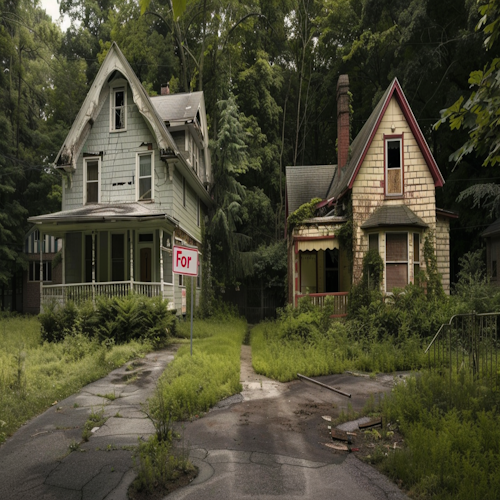
Financial Implications
Choosing between a short sale and a foreclosure can lead to very different financial outcomes. A short sale usually offers a better financial situation than a foreclosure. You might lose money, but you often avoid some of the severe penalties that come with a foreclosure. Lenders might forgive some of your debt in a short sale, which can lighten your financial burden.
In a foreclosure, your lender takes your house, and that can lead to a large debt. You could end up owing money even after the sale of the home. This can strain your finances for years. Plus, the legal fees involved can add up quickly.
When you choose a short sale, it’s often easier to recover financially. It can allow you to buy another home sooner, compared to a foreclosure, which can stay on your record for up to seven years. You might also face difficulties in getting loans or credit cards after a foreclosure.
In short, if you’re thinking about your financial future, a short sale is usually the better choice. It provides a way to minimize your losses and move toward financial recovery more quickly.

Legal Considerations
When it comes to legal considerations, understanding the differences between a short sale and a foreclosure can save you trouble down the road.
Each option carries unique legal implications that can affect your future.
1. Lender Approval: In a short sale, you need your lender’s approval.
They must agree to accept less than the owed amount. Without this, the sale can’t happen. In foreclosure, the lender doesn’t seek your approval.
2. Credit Impact: A short sale may impact your credit score less than a foreclosure.
While both hurt your credit, lenders view short sales as less harmful. It’s vital to know how each choice can affect your future borrowing.
3. Deficiency Judgments: In a foreclosure, your lender might pursue a deficiency judgment for the remaining balance.
This isn’t typically the case with a short sale if you negotiate properly. You’ll want to confirm the terms with your lender. Before making a decision, consult with a legal professional. They can help you understand local laws and guide you on the best path to take.
We Will Buy Your House
We Buy Houses In Any Condition.
Making the Right Choice
Understanding your options can help you make the right choice between a short sale and a foreclosure. Both options can impact your finances and credit score. It’s important to weigh the pros and cons of each.
A short sale allows you to sell your home for less than what you owe on the mortgage. This can be better for your credit. It shows that you made an effort to avoid a complete loss. You may also have the chance to negotiate with your lender.
On the other hand, foreclosure means the bank takes back your property because you couldn’t make your payments. This can severely hurt your credit score for years. You may also face legal issues or owe money after the foreclosure.
Consider your current financial situation and future plans. If you think you can recover and improve your finances, a short sale might be a better option. If not, you may have to face foreclosure.
Ultimately, it’s about what fits your situation better. Take time to talk with a real estate agent or financial advisor. They can offer guidance to help you decide the best path forward.
Frequently Asked Questions
Can I Negotiate the Terms of a Short Sale?
Yes, you can negotiate the terms of a short sale. Talk to your lender about your situation. They might consider your requests. Be clear about what you need, and stay open to their suggestions.
How Long Does a Foreclosure Process Usually Take?
Imagine a ship lost at sea. The foreclosure process typically takes about 90 to 120 days, but it can stretch longer depending on various factors. Staying alert and knowing your options can help you navigate this storm.
Is It Possible to Recover From a Foreclosure Financially?
Yes, you can recover from a foreclosure financially. It takes time, but by budgeting wisely, saving money, and rebuilding your credit, you’ll get back on your feet and regain financial stability. Stay positive through the process.
Can I Still Buy Another Home After a Short Sale?
Yes, you can buy another home after a short sale. Time helps heal. Typically, you’ll need to wait about two to four years. Stay patient and focus on rebuilding your credit. You’ll get there.
What Are the Tax Implications of a Foreclosure?
When you experience a foreclosure, the lender might report the forgiven debt as income. This could lead to owing taxes on that amount. It’s important to consult a tax professional to understand your specific situation.
We Will Buy Your House
We Buy Houses In Any Condition.Conclusion
In Huntsville, choosing between a short sale and foreclosure can feel like standing at a crossroads. A short sale often offers a smoother path with less damage to your credit and the chance to move on without the heavy weight of foreclosure. By understanding your options, you can make a decision that fits your needs. Take control of your future and steer your way toward a brighter financial horizon. Don’t let these tough times define you.
Additionally, you can learn how to apply for forbearance in Huntsville during financial hardship. Loan modification is one of the methods to prevent foreclosure, and this article gives the loan modification options. Moreover, you can learn about the top foreclosure prevention programs in Hunsville from this article. And finally, it is good to be aware of your legal rights as a homeowner when facing foreclosure in Alabama.