

It’s funny how you might notice flickering lights just as you’re about to settle in for a cozy evening. That could be a sign of a bigger issue that needs your attention. As a Huntsville homeowner, it’s important to stay on top of routine electrical system checks.
From inspecting outlets to testing smoke detectors, these simple tasks can save you from potential hazards. You wouldn’t want to risk your safety or deal with costly repairs later, would you? There’s more to think about, and knowing the right steps can make a big difference. In this article, we discussed routine electrical system checks every Huntsville homeowner should do.

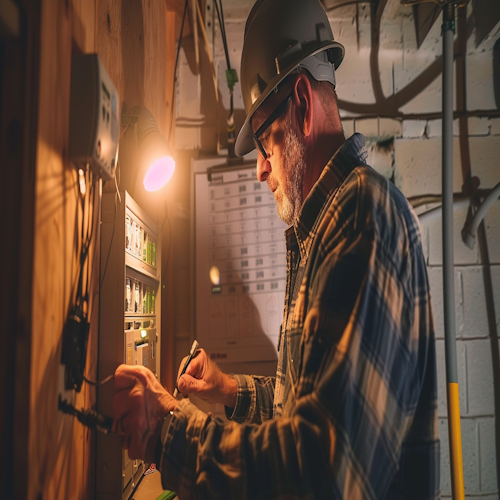
Key Takeaways
- Conduct annual electrical system checks to identify hazards and ensure compliance with safety codes in your Huntsville home.
- Perform visual inspections of wiring, outlets, and circuit breakers for any signs of damage or wear.
- Test GFCI outlets monthly and ensure smoke detectors are working by pressing the test button regularly.
- Keep breaker boxes organized and clearly labeled to facilitate quick identification during emergencies or repairs.
- Unplug cords when not in use and avoid pinching wires against furniture to prevent damage and potential hazards.
We Will Buy Your House
We Buy Houses In Any Condition.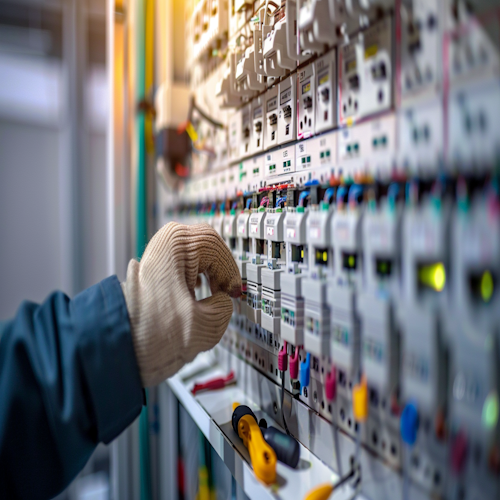
Inspect Circuit Breakers
Inspecting circuit breakers is an essential part of maintaining your electrical system. Circuit breakers protect your home by interrupting the electrical flow when there’s a problem. To start, locate your breaker box, usually found in a basement, garage, or utility room.
Open the panel and check for any tripped breakers. A tripped breaker looks like it’s in the middle position instead of fully on. If you see one, flip it off and then back on. This resets the breaker and can fix minor issues.
Next, look for any signs of damage. Check for rust, scorching, or frayed wires. If you find anything unusual, it’s best to call a professional electrician.
Make sure your breaker box is organized. Each breaker should be clearly labeled for easy identification. You don’t want to fumble around in an emergency.
Always guarantee the cover of the breaker box is secure. This keeps dust and debris out, extending the life of your breakers. Regularly inspecting your circuit breakers can help prevent electrical fires and keep your home safe. Remember, staying proactive with your checks will save you trouble in the future.
Check Outlets and Switches
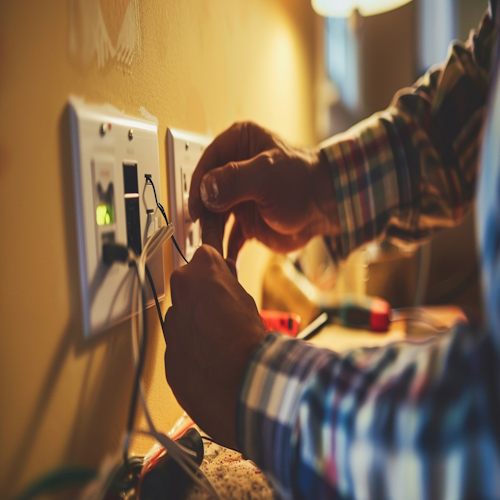
Checking outlets and switches in your home is crucial for guaranteeing everything works safely and efficiently. Start by looking for any visible damage on the outlets and switches. Cracks, chips, or burn marks can indicate an issue. If you see any, it’s best to replace them as soon as possible.
Next, test each outlet with a plug. If it’s loose or doesn’t hold the plug tightly, you may need to replace it. Also, check if outlets are warm to the touch. This could signal an electrical problem that needs attention.
For switches, flip them on and off to see if they respond properly. If they stick or don’t work smoothly, think about getting them replaced.
Make sure to test the GFCI outlets too, especially those in kitchens and bathrooms. Press the “Test” button and then the “Reset” button to guarantee they function correctly.
Finally, consider labeling outlets and switches if you notice any performance issues. This helps track which ones need attention later on. Regular checks can prevent future electrical problems and keep your home safe.
We Will Buy Your House
We Buy Houses In Any Condition.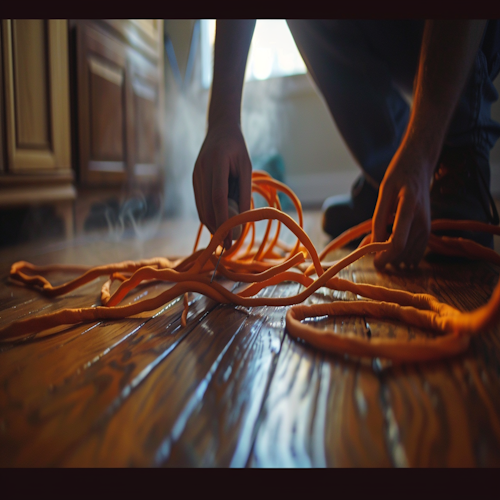
Examine Extension Cords
Extension cords are often overlooked, but keeping them in good condition is essential for safety. They’re handy for powering devices where outlets aren’t available, but a damaged cord can create risks. Begin by checking the entire length of each cord for any signs of wear. Look for frayed edges, exposed wires, or burn marks. If you notice any of these issues, it’s time to replace the cord.
Next, confirm that the cords you use are rated for the devices you’re plugging in. Each cord has a maximum load capacity, and exceeding this can cause overheating. Avoid running cords under carpets or furniture, as this can trap heat and lead to fires.
It’s also smart to use cords with built-in safety features, like circuit breakers or surge protectors. When you’re done using a cord, unplug it rather than leaving it connected. This can prevent accidents and prolong the life of the cord.
Finally, don’t daisy-chain multiple extension cords together. This is a fire hazard and can overload the circuits. Regularly examining your extension cords helps keep your home safe and sound. Prioritize this check to protect your family and belongings.
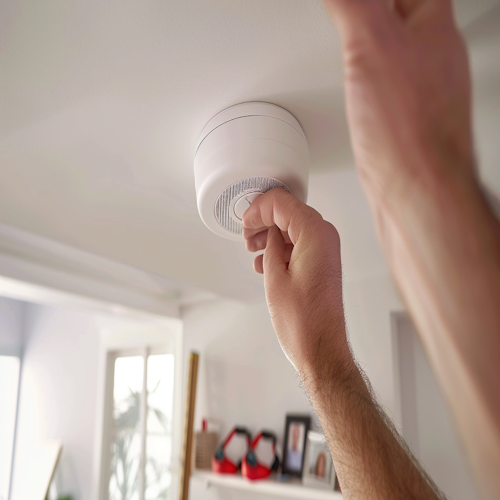
Test Smoke Detectors
A working smoke detector is one of the simplest yet most effective ways to protect your home from fire hazards. You need to test your smoke detectors regularly to guarantee they’re functioning properly. It’s a quick process that can save lives.
Start by pressing the test button on each detector. If you hear a loud beep, it’s working! If there’s no sound, change the batteries right away. Most detectors use 9-volt batteries, but check yours to be sure. If it still doesn’t work after replacing the battery, it might be time to replace the entire unit.
You should test your smoke detectors at least once a month. Mark your calendar or set a reminder on your phone so you don’t forget. Additionally, it’s crucial to replace detectors every ten years. Over time, they lose their effectiveness.
Don’t forget to keep smoke detectors in common areas like the living room, kitchen, and hallways. If you have multiple levels in your home, make sure there’s at least one on each floor. By taking these simple steps, you can help keep your family safe from fire dangers.
We Will Buy Your House
We Buy Houses In Any Condition.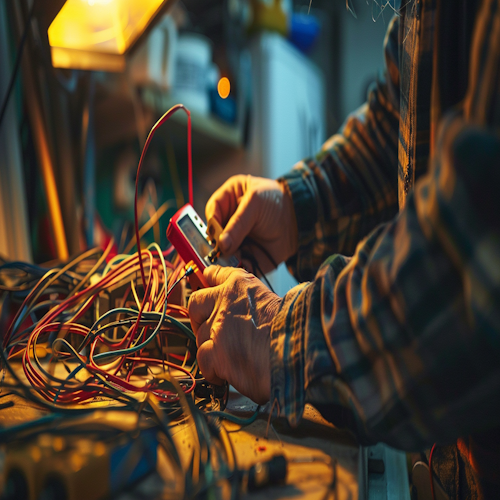
Review Wiring and Cables
Reviewing your home’s wiring and cables is essential for maintaining electrical safety. Start by inspecting visible wires. Look for any signs of damage, like fraying, cracking, or discoloration. These issues can lead to electrical shocks or fires if you don’t address them.
Next, check the outlets and switches. Make sure they’re secure and not loose. If you notice any sparks or buzzing sounds when you plug in devices, it’s time to take action. Consider replacing faulty outlets to keep your home safe.
Don’t forget about extension cords, too. Make sure they’re not overloaded and are in good condition. Overheating can happen if they’re damaged or old, which can create a fire hazard.
If you have any wires running along walls, guarantee they’re not pinched or pressed against furniture. Look for any signs of moisture around wires, as this can signal a more serious problem.
When examining your wiring, trust your instincts. If anything looks off or feels unsafe, it’s best to call a licensed electrician. Taking these steps will help protect your home and keep your family safe. Regular checks can save you from bigger headaches down the line.
Monitor Appliance Performance
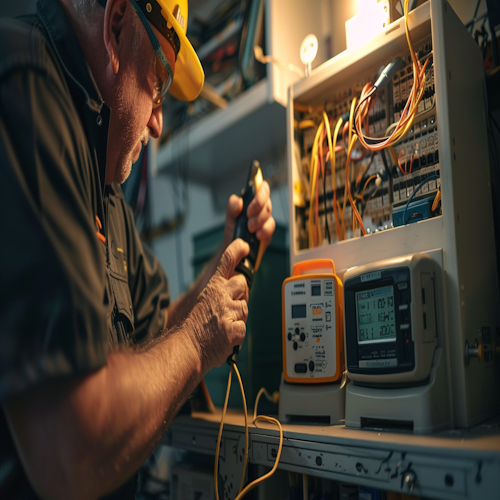
Paying attention to how your appliances perform is crucial for safe and efficient home operation. When appliances don’t work properly, it can lead to higher energy bills or even safety hazards.
Here are three key areas to monitor for peak performance:
- Strange Noises: If you hear unusual sounds from your washer, dryer, or fridge, don’t ignore them. Grinding, buzzing, or rattling could indicate a mechanical issue that needs fixing.
- Inconsistent Temperatures: Check if your refrigerator is keeping food cold enough. If it’s not, consider cleaning the coils or checking the door seals. A warm fridge can spoil food and waste energy.
- Excessive Heating: Appliances like toasters and microwaves should run warm but not hot to the touch. If you find they’re overly warm while in use, it might mean there’s an electrical issue or a malfunction that needs addressing.
We Will Buy Your House
We Buy Houses In Any Condition.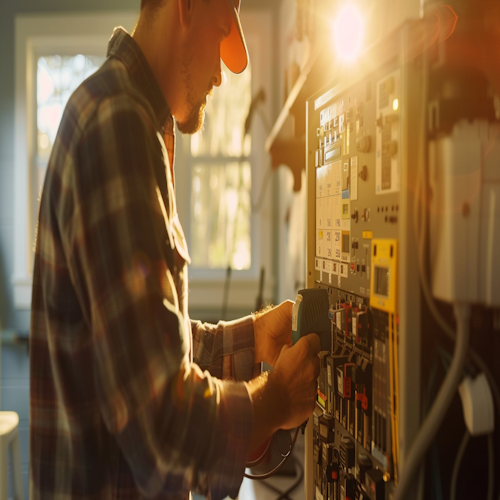
Schedule Professional Inspections
Scheduling professional inspections of your electrical system is key to maintaining a safe and functional home. It’s important to have a qualified electrician examine your system regularly, typically once a year. This check-up helps catch any potential issues early, which can save you from costly repairs later on.
During these inspections, the electrician will check your wiring, circuit breakers, outlets, and appliances. They’ll guarantee everything meets current safety standards. This proactive approach can protect your home from fire hazards or electrical failures.
When you schedule an inspection, make sure to share any concerns you have. If you’ve noticed flickering lights, tripped breakers, or burning smells, let the electrician know. These details can help them identify problems more quickly.
Stay organized by keeping track of inspection dates and any repairs made. This will help you maintain a good relationship with your electrician and keep your home safe. Remember, taking care of your electrical system is a crucial part of homeownership. Don’t wait until something goes wrong—make scheduling these inspections a priority on your to-do list. It’s a small step that can lead to big peace of mind.
Frequently Asked Questions
How Often Should I Perform Electrical System Checks?
You should perform electrical system checks at least once a year. If you notice flickering lights or unusual smells, check sooner. Keeping your system maintained can prevent bigger issues and guarantee your safety.
Are There Signs My Home Needs a Complete Rewiring?
Think of your home’s wiring as a highway. If you notice flickering lights, frequently tripped breakers, or burning smells, it’s time to weigh the possibility of a complete rewiring. Safety’s the goal—don’t ignore those signs!
Can I Do Electrical Checks Without Professional Help?
Yes, you can do basic electrical checks yourself. Look for frayed wires, test outlets, and reset breakers. Just remember, if anything seems too complicated or unsafe, it’s best to call a professional for help.
What Should I Do if I Find Faulty Wiring?
Finding faulty wiring’s like discovering a crack in a dam. Don’t ignore it. Turn off the power, mark the area, and call a licensed electrician. They’ll guarantee it’s safe and fix the problem properly.
How Can I Improve My Home’s Electrical Safety?
To improve your home’s electrical safety, check for frayed wires, use outlet covers, avoid overloading circuits, and guarantee that smoke detectors work. Regularly inspect your appliances and hire an electrician if you spot any issues.
We Will Buy Your House
We Buy Houses In Any Condition.Conclusion
By keeping up with routine electrical checks, you’re not just protecting your home; you’re safeguarding your family. Just like the legendary heroes who face dangers head-on, you can become the defender of your haven. Regular inspections of your circuit breakers, outlets, and wiring will help guarantee peace of mind.
Remember, a safe home today can prevent future heartache. So, take charge and make these checks a priority to keep the threat of electrical mishaps at bay.
Additionally, you can learn how to maintain your water heater in Huntsville, AL. You can also learn the best ways to protect your home from pests in Huntsville, AL. Understanding your home’s foundation and how to protect it gives you the information about your foundation.