

If you’re a landlord in Huntsville, AL, it’s essential to understand the legal grounds for evicting a tenant. You might face situations like non-payment of rent or lease violations that could lead you to take action. The eviction process starts with a written notice, but not all cases are straightforward.
There are specific steps you have to follow, and knowing them can save you time and trouble. So, what are the exact grounds that can justify an eviction, and how does the process unfold? Let’s break it down further. In this article, we discussed the legal grounds for evicting a tenant in Huntsville, AL.


Key Takeaways
- Non-payment of rent is a valid ground for eviction, requiring a written notice and a five-day period to pay or vacate.
- Lease violations, such as unauthorized pets or excessive noise, can lead to eviction if the tenant fails to rectify the issue after notice.
- If the lease term ends and the tenant does not vacate or renew in writing, eviction may proceed.
- Significant property damage by the tenant can justify eviction, as outlined by the lease agreement responsibilities.
- Illegal activities conducted on the property serve as grounds for immediate eviction under Alabama law.
We Will Buy Your House
We Buy Houses In Any Condition.
Overview of Eviction Process
When you’re facing the need to evict a tenant in Huntsville, AL, it’s important to understand the process. The first step is to guarantee you have a valid reason for the eviction. Common reasons include lease violations, illegal activities, or the need for the property.
Next, you’ll need to serve the tenant with a written notice. This notice tells them about the reasons for eviction and gives them a specified time to fix the issue or move out. Make sure you follow the correct legal format when drafting this notice.
If the tenant doesn’t comply, you’ll go to court. You’ll file an eviction lawsuit, which is often called an unlawful detainer action. Be ready to provide evidence and documentation during the hearing. If the court rules in your favor, you’ll receive a judgment allowing eviction.
Finally, if the tenant still hasn’t left, you can contact local law enforcement to carry out the eviction. It’s vital to avoid any self-help eviction methods, like changing locks or removing the tenant’s belongings. Following these steps carefully guarantees you stay on the right side of the law during the eviction process.
Non-Payment of Rent
If a tenant hasn’t paid their rent, it’s crucial to act promptly. First, check your lease agreement. It should outline the payment terms and any grace period. Make sure to understand your rights before taking any steps.
Next, send a written notice. This notice should inform the tenant of the unpaid rent and remind them of their obligation. In Alabama, you can use a five-day notice. This means the tenant has five days to pay the rent or face eviction. If the tenant still doesn’t pay, you can file for eviction in the local court.
Gather all necessary documents, like the lease agreement and payment records. The court will schedule a hearing, and both you and the tenant can present your cases.
We Will Buy Your House
We Buy Houses In Any Condition.
Lease Violations
Lease violations can create significant issues for both landlords and tenants. When you break any terms of the lease, it can lead to eviction. Common violations include unauthorized pets, excessive noise, and damage to the property.
Here’s a quick overview of typical lease violations:
| Violation Type | Description | Possible Consequences |
|---|---|---|
| Unauthorized Pets | Keeping pets is not allowed in the lease | Eviction, fines |
| Property Damage | Damaging any part of the rental | Eviction, costs for repairs |
| Excessive Noise | Disturbing neighbors with loud sounds | Keeping pets is not allowed in lease |
| Subletting Unauthorized | Renting your place without permission | Eviction, legal action |
If you get a notice for a lease violation, act quickly. You might have a chance to fix the issue. Sometimes, landlords will give you a chance to remedy the violation before proceeding with eviction.
Make sure to understand your lease agreement well. If you’re unsure, consider seeking legal advice. Staying informed can help you avoid major problems down the line.
End of Lease Term
As your lease term comes to an end, it’s important to understand your options and responsibilities. You’ll need to decide whether you want to renew your lease or vacate the property. If you choose to stay, talk to your landlord about a lease renewal. Get the terms in writing and be clear about any changes.
If you decide to leave, make sure to give your landlord proper notice. Check your lease for the required notice period. This is usually 30 days, but it may vary. Not following this can lead to issues, including losing your security deposit.
Before you move out, conduct a walkthrough with your landlord. This allows both of you to see the property’s condition and discuss any concerns. Remember, you need to clean the space and remove all your belongings.
Don’t forget to return keys and any access devices. This will help you avoid charges for lost items. After moving out, be patient while your landlord inspects the unit and processes your security deposit return. Understanding these steps can make the end of your lease smoother and stress-free.
We Will Buy Your House
We Buy Houses In Any Condition.
Property Damage
Property damage is a serious concern for both tenants and landlords. If you’re a tenant, you’re responsible for keeping the property in good condition. This means you need to take care of the place and avoid causing harm. Damage can be anything from broken windows to stains on the carpet. Even minor issues can add up and lead to bigger problems.
If a landlord notices significant damage, they’ve grounds to start eviction proceedings. They may want to recover repair costs. It’s important to understand your lease agreement. Often, it will outline your responsibilities regarding property maintenance. If you fail to meet those duties, you could face consequences.
To protect yourself, document any existing damage when you move in. Take photos and share them with your landlord. This way, you can avoid disputes later on. If accidental damage happens, communicate with your landlord immediately. They may appreciate your honesty and willingness to fix the issue.
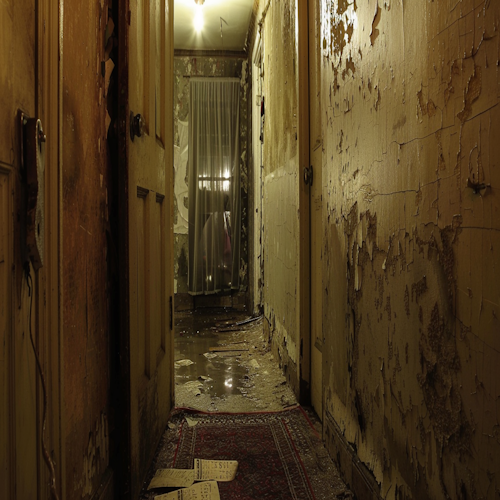
Tenants Engaging in Illegal Activities
If a tenant engages in illegal activities, it can create serious problems for both them and the landlord. Many landlords in Huntsville, AL, want to protect their property and neighborhood.
When illegal activities occur, they can lead to safety concerns for other tenants and neighbors. You might face legal issues or damage to your reputation as a landlord.
It’s essential to understand what constitutes illegal activities. Examples include drug use, selling drugs, or any form of criminal behavior. Even minor offenses can be grounds for eviction. If you suspect illegal activities, gather evidence. This evidence may include witness statements or police reports. You can then take action.
Remember, you have rights as a landlord. You can approach this issue tactfully but firmly. If you verify illegal activities, it’s important to follow the right legal channels to address the situation. This may involve serving notices or starting the eviction process. Consulting a lawyer can help you navigate these steps.
Being proactive helps maintain a safe, clean living environment. Addressing illegal activities swiftly protects your investment and fosters a better community for everyone.
We Will Buy Your House
We Buy Houses In Any Condition.
Landlord’s Right to Terminate Lease
Addressing illegal activities is only one aspect of managing a rental property. As a landlord in Huntsville, AL, you have the right to terminate a lease for several valid reasons. Most commonly, if a tenant breaches the lease agreement, you can take action. This includes issues like non-payment of rent or damage to the property.
You also have the right to terminate the lease if the tenant violates your rental terms. For example, if a tenant has unauthorized occupants or keeps pets without permission, you can pursue termination. However, you must follow the proper legal process. Before proceeding, give your tenant notice of the issue.
Generally, you’ll need to provide them with a written notice that outlines the violation. Then, after the notice period ends, you can file for eviction if they don’t comply. Keep in mind, you can’t simply change the locks or remove a tenant’s belongings.
Doing so may lead to legal trouble. Always make sure to document all communications. Understanding these rights helps you manage your property more effectively while ensuring a legal and fair process.
Frequently Asked Questions
What Notice Period Is Required for Eviction in Huntsville, AL?
In Huntsville, you typically need to give a tenant a written notice before eviction. The notice period usually ranges from seven to thirty days, depending on the situation. Always check local laws for specifics.
Can a Landlord Evict a Tenant Without a Court Order?
Imagine you’re in a tough spot. A landlord can’t just evict you without a court order. They need to follow the legal process to guarantee everyone’s rights are respected and upheld. Play it safe!
Are There Legal Fees Associated With the Eviction Process?
Yes, there are legal fees tied to the eviction process. You’ll often pay court costs, attorney fees, or other expenses. It’s smart to budget for these costs before starting an eviction to avoid surprises later.
Can Tenants Dispute an Eviction Notice?
Yes, you can dispute an eviction notice. You’ll need to gather evidence and present your case. It’s important to act quickly and follow the proper procedures to increase your chances of a favorable outcome.
What Happens if a Landlord Fails to Follow Eviction Laws?
If a landlord doesn’t follow eviction laws, their eviction can be challenged. You could remain in your home, and they might face penalties. It’s essential to know your rights and take appropriate action.
We Will Buy Your House
We Buy Houses In Any Condition.Conclusion
In Huntsville, AL, knowing the legal grounds for eviction can save you a lot of trouble. Whether it’s for non-payment of rent, lease violations, or damage, it’s essential to follow the right steps. If your tenant steps out of line, don’t hesitate to take action.
Remember, it’s better to address problems early than to let the situation spiral out of control. By staying informed, you can protect your property and your rights as a landlord.