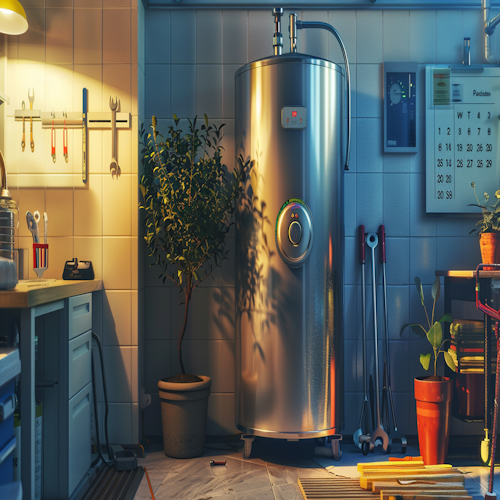
Taking care of your water heater is like giving it a little TLC to keep it running smoothly. You may not realize how important it is to check the temperature settings and inspect components like the anode rod.
Regular maintenance can prevent bigger issues down the line, ensuring you enjoy steady hot water when you need it. But that’s just the beginning—there are several steps you can take to maximize efficiency and extend its lifespan that you won’t want to miss. In this article, we discussed how to maintain your water heater in Huntsville, AL.
Key Takeaways
- Regularly flush your tank water heater to remove sediment and improve efficiency, especially in areas with hard water like Huntsville.
- Check and adjust your water heater temperature to 120 degrees Fahrenheit for safety and to prevent energy waste.
- Inspect the anode rod at least once a year; replace it if it’s less than 1/2 inch thick to prevent corrosion.
- Conduct periodic pipe inspections for wear and leaks, ensuring proper insulation to maintain water temperature and reduce energy costs.
- Schedule routine maintenance checks to keep your heater functioning optimally and extend its lifespan.
We Will Buy Your House
We Buy Houses In Any Condition.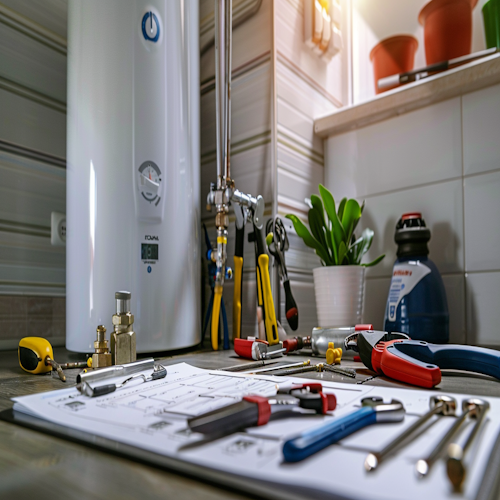
Understand Your Water Heater Type
To maintain your water heater effectively, this is vital to understand the type you have. There are generally two main types: tank and tankless. Knowing which one you have can guide you in proper care and upkeep.
Tank water heaters are the most common. They store a specific amount of hot water, ready for when you need it. Regular maintenance involves flushing the tank to remove sediment buildup. This helps improve efficiency and prolongs the life of the unit.
Tankless water heaters, on the other hand, heat water on demand. Since they don’t store hot water, it is vital to check for mineral deposits in the heating elements. Periodically descaling helps maintain peak performance and keeps your hot water flowing smoothly.
Identifying your water heater type also allows you to troubleshoot issues effectively. If the hot water runs out too quickly, the cause could vary based on your heater type. Understanding these differences empowers you to handle maintenance tasks efficiently.
Taking the time to know your water heater isn’t just about saving on repairs; it can also improve your home comfort. So get familiar with your system, and you’ll be well on your way to efficient maintenance!
Check and Adjust Temperature Settings
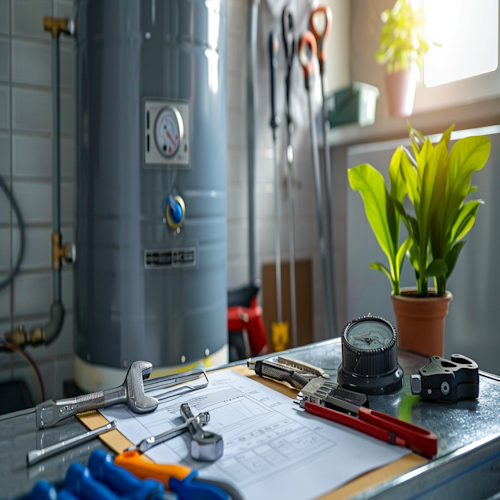
After identifying your water heater type, you can move on to check and adjust the temperature settings for ideal performance. Most experts recommend setting your water heater temperature to 120 degrees Fahrenheit. This temperature is hot enough for daily use while also being safe, preventing scalding, and helping to save energy.
To adjust the temperature, start by locating the thermostat. For electric heaters, you’ll usually find two thermostats, one at the top and one at the bottom. For gas heaters, the dial is typically on the front. Use a screwdriver if necessary to turn the setting to your desired temperature.
After adjusting, let the heater run for a few hours and then check the temperature at a faucet. You can do this by running hot water and using a thermometer to measure it. If it’s too hot or too cold, make further adjustments as needed.
Regularly checking and adjusting the temperature will help maintain the efficiency of your water heater and guarantee you always have hot water when you need it. Plus, it can save you money on energy bills over time!
We Will Buy Your House
We Buy Houses In Any Condition.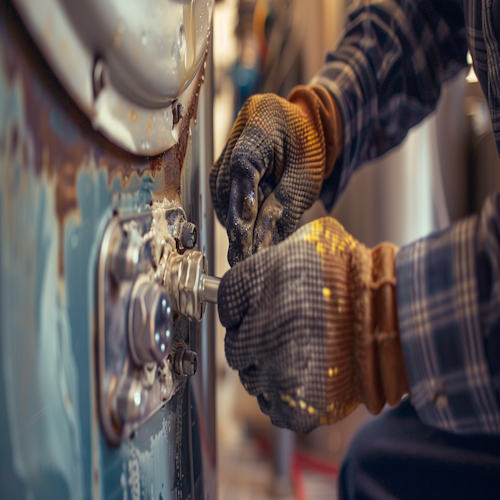
Inspect the Anode Rod
One crucial component of your water heater is the anode rod, which helps prevent corrosion inside the tank. Regularly inspecting this rod is essential to maintaining your heater’s efficiency and lifespan. Typically made of magnesium or aluminum, the anode rod attracts corrosive elements in the water, keeping the tank safe.
To check the condition of the anode rod, follow these simple steps:
| Step | Description | Frequency |
|---|---|---|
| Locate the rod | Find the anode rod on top of the tank. | Every 1-2 years |
| Remove it | Use a socket wrench to unscrew the rod. | When inspecting |
| Examine its state | Check for thickness and corrosion level. | Every 1-2 years |
| Replace if needed | If it’s less than 1/2 inch thick, replace it. | As necessary |
| Reinstall | Tighten the new rod securely. | After replacement |
If you notice significant wear, replace the rod promptly. A healthy anode rod keeps your water heater efficient and extends its life, saving you money in the long run.
Flush the Tank Regularly
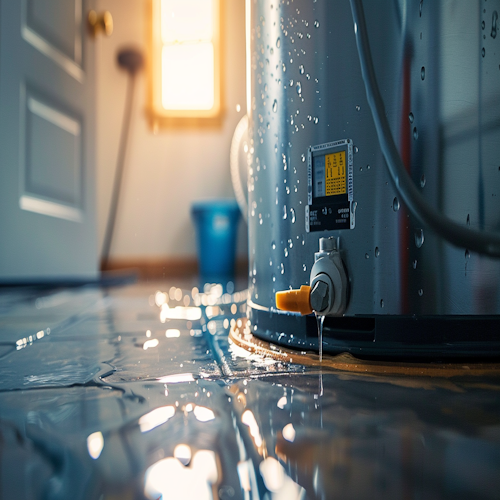
Flushing your water heater regularly is essential for maintaining its efficiency and prolonging its lifespan. Over time, sediment and minerals from your water supply can build up in the tank. This accumulation can lead to rust, reduced efficiency, and even damage to the unit.
To flush the tank, you don’t need to be a plumbing expert. Start by turning off the power or gas supply to the heater. Next, connect a hose to the drain valve at the bottom of the tank. Make sure you’ve got a bucket or a drain nearby, as the water will be hot. Open the valve and let the water flow out until it runs clear. You may want to flush it a couple of times to guarantee you get rid of as much sediment as possible.
After flushing, close the drain valve, remove the hose, and refill the tank. Don’t forget to turn the power or gas back on. By incorporating this simple task into your maintenance routine, you’ll keep your water heater running smoothly and extend its life. Regular flushing can save you money and guarantee you have reliable hot water when you need it.
We Will Buy Your House
We Buy Houses In Any Condition.
Examine and Insulate Pipes
Keeping your water heater efficient also means examining and insulating the pipes connected to it. Pipes don’t just carry hot water; they can also lose heat, causing your water heater to work harder. By taking a closer look, you can spot any issues and keep your energy bills in check.
Here’s what you should do:
- Check for signs of wear: Look for any cracks or corrosion on your pipes.
- Inspect insulation: Certify the insulation is intact, as worn or missing insulation can lead to heat loss.
- Use pipe insulation: Wrap pipes with foam or fiberglass insulation to maintain water temperature.
- Seal gaps: Check for any drafts or gaps near pipe fittings and seal them to prevent heat loss.
Monitor for Leaks and Noise
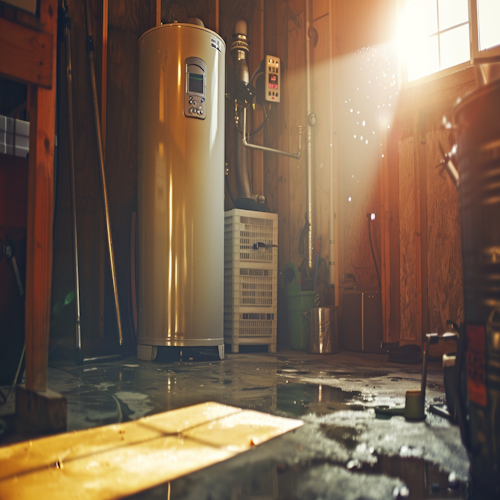
Monitoring for leaks and noise in your water heater can save you time and money in the long run. Regular checks can prevent small issues from becoming costly repairs. Start by inspecting the area around your water heater for any signs of water pooling or dampness. A leak can often be spotted as a small drip or wet spot.
Don’t ignore even tiny puddles; they can lead to bigger problems. Next, pay attention to any unusual noises. A healthy water heater should run quietly. If you hear banging, popping, or hissing, it’s time to investigate. These sounds might indicate sediment buildup, which can affect efficiency and may lead to malfunctions.
Check the valves and connections as well; any rust or corrosion could signify a potential leak. It’s important to address these problems as soon as you notice them. Regular monitoring can keep your unit running smoothly and help you dictate when repairs are necessary. It’s better to act quickly than wait for an unexpected breakdown. Keep your eyes and ears open, and you’ll enjoy a longer lifespan for your water heater.
We Will Buy Your House
We Buy Houses In Any Condition.
Schedule Professional Maintenance
Scheduling regular professional maintenance for your water heater is essential for ideal performance and longevity. This proactive step helps in identifying and addressing potential issues before they escalate. A little maintenance goes a long way in keeping your water heater running efficiently.
Here’s what you can expect from a professional maintenance service:
- Flushing the tank: This process removes sediment buildup that can affect heating efficiency.
- Inspecting the anode rod: Checking this part guarantees your tank stays protected from corrosion.
- Testing thermostat settings: Proper settings can help maintain peak performance and save energy.
- Checking connections and valves: This helps prevent leaks and guarantees safe operation.
Frequently Asked Questions
How Often Should I Replace My Water Heater?
You should consider replacing your water heater every 8 to 12 years, depending on its condition and performance. Regular maintenance can help extend its life, but don’t wait too long if you notice issues.
What Energy-Efficient Models Are Available for My Home?
When you’re choosing energy-efficient water heater models, consider options like tankless, heat pump, and solar water heaters. These can save you money on bills and reduce your environmental impact while providing hot water efficiently.
Can I Perform Repairs Myself, or Should I Hire a Professional?
You can tackle some simple repairs yourself, like flushing the tank or replacing a thermostat. However, for complex issues or safety concerns, it’s best to hire a professional. They’ve got the skills and expertise you need.
What Signs Indicate a Failing Water Heater?
About 75% of water heaters fail unexpectedly. You’ll notice signs like strange noises, inconsistent temperatures, or leaks. If you see rust or reduced pressure, it’s time to think about a replacement before you’re left without hot water.
How Can I Increase the Lifespan of My Water Heater?
To increase your water heater’s lifespan, regularly flush it, check the anode rod, keep the temperature low, and insulate pipes. These simple steps can help you avoid costly replacements and enjoy reliable hot water.
We Will Buy Your House
We Buy Houses In Any Condition.Conclusion
By taking these crucial steps to maintain your water heater, you’re not just prolonging its life—you’re ensuring hot showers and cozy baths for years to come! Imagine a world where your water heater never fails, providing endless comfort.
It’s like holding the secrets to eternal warmth right in your hands! So, roll up your sleeves and plunge into this maintenance routine. Your future self will thank you, and you’ll never have to face a chilly shower again!
Additionally, you can learn about the best ways to protect your home from pests in Huntsville, AL. You can also learn energy-efficient home maintenance tips for Huntsville homeowners. HVAC maintenance is very important for your home, and you can learn about it in this article.