

A home’s foundation is like the roots of a tree, and it needs protection from the pests that threaten its stability. If you live in Huntsville, AL, checking for termite damage isn’t just important; it’s essential. Look for clues like mud tubes or wood that sounds hollow.
You can also take proactive steps to keep termites at bay. But what exactly should you do to safeguard your home from these destructive insects? There are critical strategies and preventative measures worth exploring further. In this article, we discussed how to check for and prevent termite damage in Huntsville, AL.

Key Takeaways
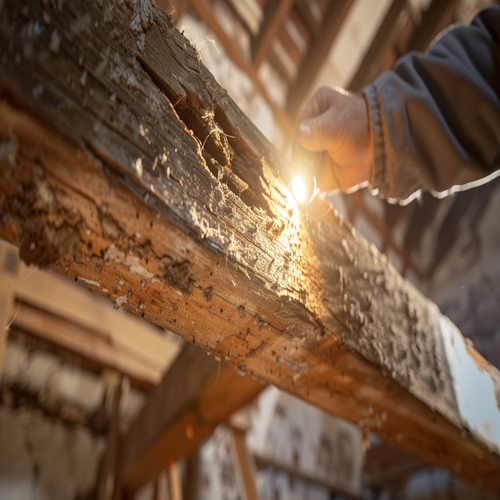
- Inspect wooden structures, attics, and basements thoroughly for signs of termite damage, such as hollow-sounding wood and frass.
- Look for mud tubes around foundations and exterior areas, which indicate termite activity.
- Maintain proper drainage by ensuring clean gutters and downspouts to reduce moisture around your home.
- Keep wood piles, mulch, and vegetation well away from your home’s foundation to deter termite infestations.
- Consider professional inspections and apply termite repellent chemical barriers for added protection against future infestations.
We Will Buy Your House
We Buy Houses In Any Condition.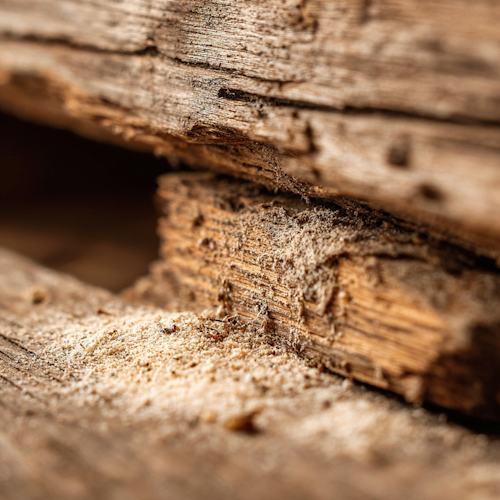
Understanding Termite Types
Termites are more than just pests; they’re a serious threat to your home. Knowing the types of termites can help you protect your property. There are three main types: drywood, subterranean, and dampwood.
Drywood termites live within the wooden structures of your home. They don’t require contact with the soil, making them hard to detect until they cause significant damage. Subterranean termites, on the other hand, build their nests in the soil. They travel through mud tubes to access your home, which makes them the most destructive type. Finally, dampwood termites thrive in moist environments, usually targeting decaying wood.
Each type has its habits and preferences, so it’s vital to identify which may be lurking in your home. If you see signs like discarded wings or frass, you might be dealing with a drywood termite infestation. Subterranean termites often leave mud tubes along your foundation.
Knowing these details can help you take preventive measures. Keeping your home dry and storing wood away from your foundation can create a less inviting environment for them. Understanding termite types is the first step in preventing damage and protecting your home.
Signs of Termite Damage
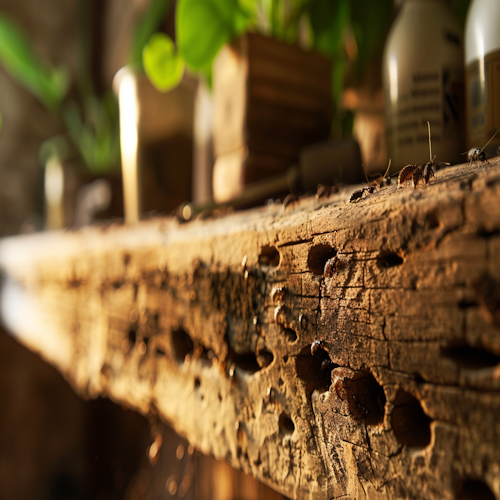
Identifying signs of termite damage early can save you a lot of trouble and expense. One of the most common signs is the presence of mud tubes around your foundation or walls.
These tubes are made of mud and provide termites a way to travel between their colony and food sources. Look for hollow-sounding wood when you knock on beams or furniture. This indicates that termites might be munching away inside.
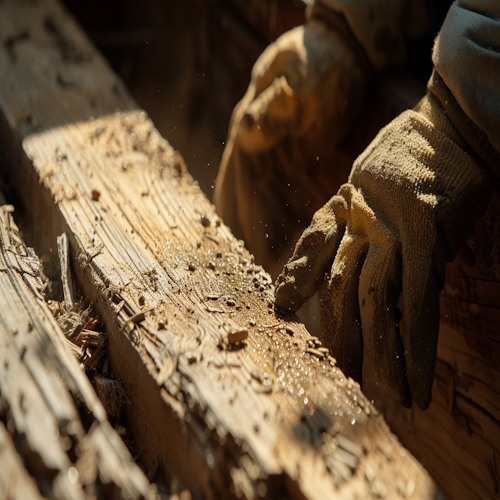
Another sign is discarded wings. After termites swarm, they shed their wings, so if you find these around windows or doors, it’s a red flag. Additionally, check for frass, or termite droppings, which look like small piles of sawdust near wooden structures.
You should also be alert for uneven or sagging floors, which can indicate serious structural damage. If you notice any bubbling or peeling paint, that might be a sign of moisture from termite activity, as they tend to compromise wood integrity.
We Will Buy Your House
We Buy Houses In Any Condition.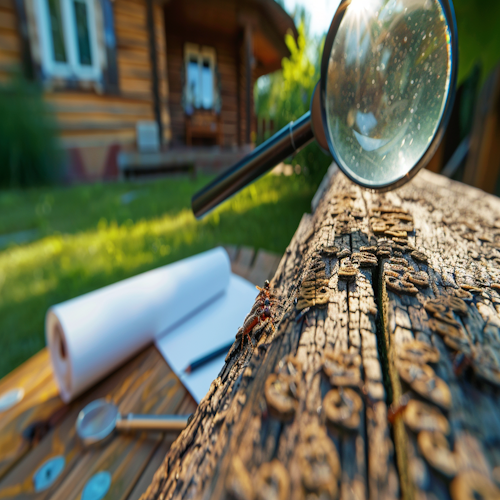
Inspecting Your Home
A thorough inspection of your home can help catch termite problems before they escalate. Start by looking in areas where termites typically hide. You’ll want to check the following spots:
- Wooden Structures: Examine beams, floor joists, and wooden frames. Look for signs of tunneling or soft spots.
- Attics and Basements: Inspect these areas for dampness, as moisture attracts termites. Pay close attention to any stored wood or cardboard boxes.
- Foundation and Exterior: Check the foundation for cracks or gaps. Look around doors, windows, and vents for any signs of mud tubes.
As you conduct your inspection, keep an eye out for other signs, like frass (termite droppings) or discarded wings. It’s vital to act quickly if you spot any signs of termite activity. Use a flashlight if necessary, and don’t forget to check hidden areas behind furniture or appliances.
Also, consider enlisting a professional inspector for a more thorough evaluation. The sooner you identify any potential issues, the better equipped you’ll be to handle them and protect your home from costly damage.
Preventive Measures
While termites can cause considerable damage if left unchecked, you can take several preventive measures to protect your home. Start by keeping wood piles, mulch, and vegetation away from your foundation. These materials can attract termites, so store them at least 20 feet from your house.
Next, guarantee proper drainage around your home. Clogged gutters and downspouts can create moisture, which termites love. Keep your gutters clean and direct downspouts away from the foundation.
Also, regularly inspect your home’s exterior. Look for cracks or gaps in walls, around windows, and near the foundation. Seal any openings you find to prevent termites from entering.
You should also keep your home dry. Fix leaky pipes and use a dehumidifier in damp areas like basements. Moisture control is essential in deterring termites.
Lastly, consider applying a termite repellent chemical barrier around your home’s perimeter. This can add another layer of protection. By taking these steps, you can substantially reduce the risk of termite infestations and keep your home safe.
We Will Buy Your House
We Buy Houses In Any Condition.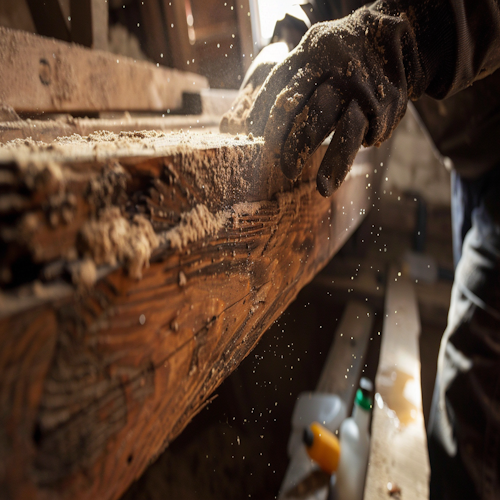
Treatments for Infestations
Taking preventive measures can substantially lower your chances of a termite infestation, but if you find yourself facing an active problem, prompt action is necessary.
There are effective treatments available to eliminate these pests and protect your home.
- Chemical Treatments: You might consider applying termiticides around your property. These chemicals create a barrier, keeping termites at bay. Guarantee you follow safety guidelines during application.
- Boric Acid: This is a popular, low-toxicity option. You can use it to treat wood in areas with damage. Just know that it’s most effective in dry conditions and won’t be as helpful in wet areas.
- Fumigation: If the infestation is severe, you may need to hire professionals for fumigation. This involves sealing your home and introducing gas that penetrates all wood structures, killing termites.
Regardless of which treatment you choose, guarantee you take swift action. Waiting can lead to increased damage and more costly repairs. After treating, consider following up with preventive measures to secure your home against future infestations.
Importance of Regular Inspections
Regular inspections play a crucial role in preventing termite damage. By checking your home regularly, you can spot warning signs before they turn into major problems. Termites often hide in dark, damp areas, so visual inspections can help you find them early. Look for mud tubes, discarded wings, or soft, damaged wood—these are all signs of a potential infestation.
You should conduct these inspections every six months or at least once a year. The sooner you identify termite activity, the easier and less costly it is to deal with. Neglecting inspections could lead to serious structural damage, which can be expensive to repair.
In addition, regular inspections provide peace of mind. Knowing your home is safe from termites alleviates stress, allowing you to focus on other important aspects of homeownership. If you’re vigilant, you can catch issues before they escalate, saving you time and money in the long run.
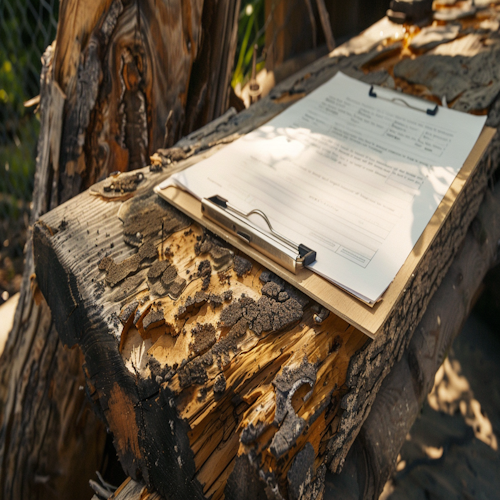
Keeping track of any findings from your inspections is also helpful. Documenting what you see can aid in spotting patterns and determining whether you need to take further action. Regular inspections are essential for maintaining a termite-free home.
We Will Buy Your House
We Buy Houses In Any Condition.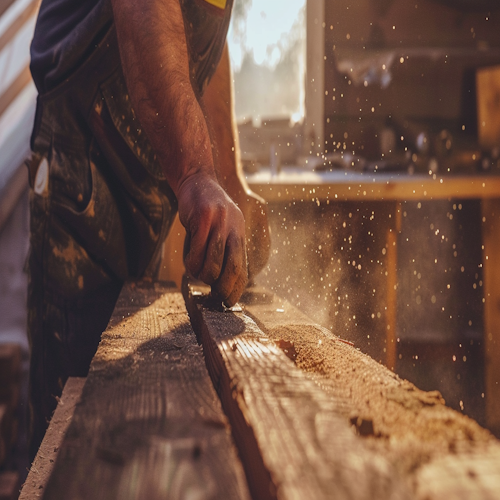
Consulting Pest Control Experts
Consulting pest control experts is a smart move when it comes to preventing termite damage. These professionals have the knowledge and tools to keep your home safe. It’s vital to act fast, as termites can cause significant harm.
1. Expert Inspection: Professionals can identify signs of termite activity that you might miss, like mud tubes or damaged wood.
Their trained eyes spot issues before they escalate.
2. Tailored Treatment Plans: Every home is different.
Experts create specific plans based on your property’s needs, guaranteeing effective termite control.
They use treatments that match your situation, whether it’s a preventive barrier or spot treatment.
3. Ongoing Monitoring: After treatment, experts often provide follow-up services.
Regular check-ins help guarantee that your home stays termite-free and increase your peace of mind.
Frequently Asked Questions
How Long Does a Termite Infestation Typically Go Unnoticed?
A termite infestation often goes unnoticed for several months to years. You might not see signs until significant damage occurs. Regular inspections help catch these pests early and prevent costly repairs down the road.
What Is the Average Cost of Termite Treatment in Huntsville?
You might be surprised that termite treatments can range from $200 to $3,000 in Huntsville. This variance depends on the infestation level and treatment methods, so getting multiple estimates is always a smart move.
Can Termites Damage Non-Wood Materials?
Yes, termites can damage non-wood materials. While they’re primarily wood-eaters, certain species can infest and harm cardboard, paper, or even insulation. Regular inspections are vital to identify any signs of termite activity early.
Are New Homes at Risk for Termite Damage?
Even a sturdy fortress can fall prey to termites. New homes aren’t immune to these pests. They can invade wood and hidden crevices, so you must stay vigilant and guarantee that proper prevention measures are in place.
How Does Climate Affect Termite Activity in Alabama?
Climate plays a big role in termite activity. In Alabama’s warm, humid conditions, termites thrive. You’ll usually see more activity in spring and summer when temperatures rise and moisture levels increase. Staying informed helps you prevent damage.
We Will Buy Your House
We Buy Houses In Any Condition.Conclusion
Protecting your home from termites is as essential as guarding a treasure chest. By regularly checking for damage and taking preventive measures, you can keep these destructive pests at bay. Remember to inspect your wooden structures often, keep wood piles away from your foundation, and control moisture levels.
Consulting pest control experts can give you peace of mind. Don’t wait for signs of an infestation; take action now to safeguard your home and family.
Additionally, you can learn the best ways to protect your home from pests in Huntsville, AL. You can also learn how to maintain your home’s exterior paint in Huntsville’s weather,