

Is your lawn the envy of your neighborhood, or does it leave a bit to be desired? Maintaining a vibrant outdoor space in Huntsville involves more than just occasional mowing; it’s about understanding local conditions and best practices.
For instance, choosing the right plants and watering effectively can make a huge difference. Plus, there are simple techniques to improve your soil that can lead to a healthier garden overall. What steps can you take today to guarantee your lawn thrives through the seasons? In this article, we discussed the best practices for maintaining your lawn and garden in Huntsville.

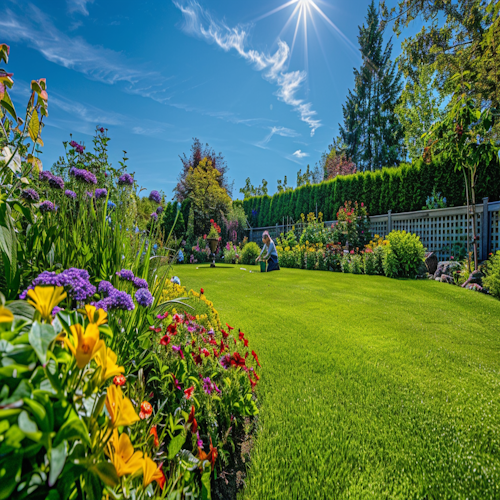
Key Takeaways
- Test soil pH and nutrient content to ensure optimal plant growth and health in Huntsville’s unique climate conditions.
- Clear weeds and debris, then aerate the soil to create a healthy growing environment for new plants.
- Choose native and low-maintenance plants that thrive in the humid subtropical climate, requiring less water and care.
- Water your lawn and garden early in the morning to minimize evaporation and ensure deep root penetration.
- Implement sustainable practices like composting and rainwater collection to conserve resources and support local wildlife.
We Will Buy Your House
We Buy Houses In Any Condition.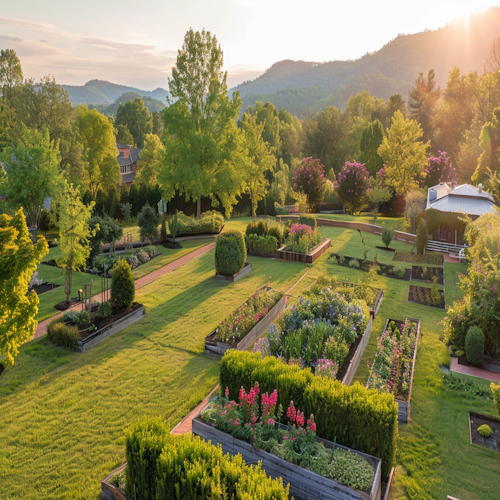
Understanding Huntsville’s Climate
Understanding Huntsville’s climate is key to keeping your lawn and garden thriving. This area experiences a humid subtropical climate, which means you’ll have hot summers and mild winters. Summers can get steamy, with temperatures often rising above 90°F.
Your plants will need extra water to stay healthy during those sweltering days, so guarantee you’re watering early in the morning or late in the evening to minimize evaporation.
In winter, temperatures can dip into the 30s, but it rarely freezes for long. This is an excellent time to prepare your garden for the spring bloom. You might want to plant winter-hardy vegetables like kale or spinach.
Additionally, rainfall in Huntsville is quite abundant, especially in spring and fall. You’ll need to monitor how much rain your garden gets to avoid overwatering. Look for signs of excess moisture like waterlogged soil or wilting plants, as these can lead to root rot.
Familiarizing yourself with these climate patterns can help you choose the right plants and lawn care strategies, ensuring your outdoor space remains vibrant throughout the seasons.
Soil Preparation Techniques
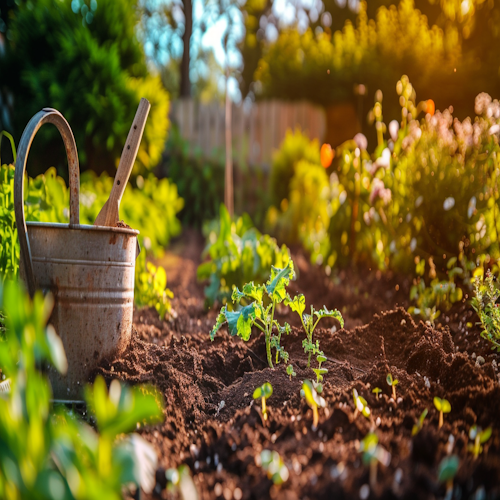
Before you start planting, it’s crucial to prepare your soil properly to guarantee your plants grow strong and healthy. Begin by testing your soil to check its pH levels and nutrient content. You can buy a simple test kit from a garden store or send a sample to a local lab. Knowing this information lets you understand what your soil needs.
Next, clear the area of weeds, rocks, and debris. You want a clean slate for your garden. Once that’s done, loosen the soil using a spade or a garden fork. This aerates the soil, allowing roots to grow easily and water to penetrate more deeply.
Now, it’s time to enrich your soil. Adding organic matter like compost or well-rotted manure enhances soil structure and adds essential nutrients. Mix it in thoroughly, ensuring it’s evenly distributed.
Finally, consider covering your prepared soil with mulch. This helps retain moisture, suppress weeds, and regulate temperature. Remember, a little preparation goes a long way. With properly prepared soil, you’ll set your plants up for success in your Huntsville garden!
We Will Buy Your House
We Buy Houses In Any Condition.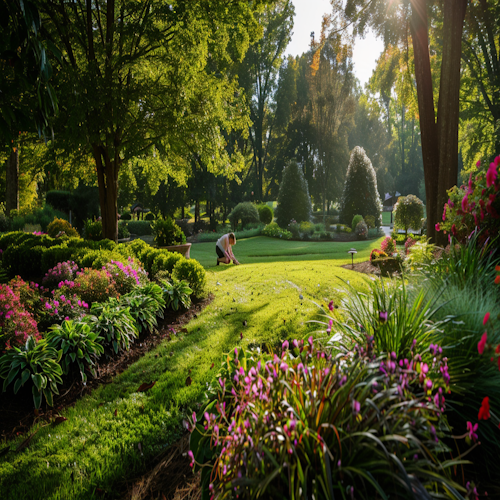
Choosing the Right Plants
Selecting the right plants is essential for a thriving garden. Your choice impacts not just the beauty of your space, but also the health of your garden. Consider the climate, sun exposure, and soil conditions in Huntsville. Native plants often thrive best because they’re adapted to your local environment.
Here’s a simple table to help you choose:
| Plant Type | Notes |
|---|---|
| Annuals | Vegetables and herbs: great for your kitchen. |
| Perennials | Return year after year; often low maintenance. |
| Edibles | Vegetables and herbs; great for your kitchen. |
| Native Plants | Support local wildlife; require less water. |
When selecting, think about how much time you want to spend caring for your plants. If you’re busy, opt for low-maintenance choices like perennials or native plants. If you love spending time in your garden, you might enjoy growing annuals along with some edibles. Whichever you choose, a well-planned selection will set the foundation for a beautiful garden that flourishes through the seasons.
Effective Watering Strategies
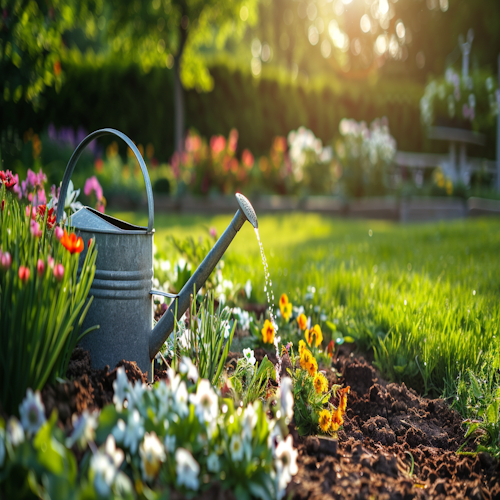
While maintaining a lush garden, it’s crucial to adopt effective watering strategies that guarantee your plants thrive. First, consider the time of day you water. Early morning is best since it’s cooler, and less water evaporates. This way, your plants absorb the needed moisture before the sun heats things up.
Next, you’ll want to check the soil moisture. Stick a finger about an inch into the soil; if it feels dry, it’s time to water. Instead of shallow, frequent watering, aim for deep and less frequent sessions. This encourages the roots to stretch deeper into the soil, making your plants stronger.
Consider using a soaker hose or drip irrigation. These methods direct water straight to the roots, reducing waste and keeping leaves dry to prevent disease.
Lastly, don’t forget about your lawn! Grassy areas typically need about an inch of water a week, so adjust your watering schedule based on rainfall. Remember, overwatering can be as harmful as underwatering, so find that balance and your garden will flourish beautifully!
We Will Buy Your House
We Buy Houses In Any Condition.
Seasonal Lawn Care Tasks
With your watering strategies in place, it’s time to focus on seasonal lawn care tasks that keep your yard looking its best year-round.
By staying on top of these tasks, you’ll be ensuring your lawn remains healthy and vibrant.
- Spring: Start with aeration to relieve soil compaction and promote growth. Add a slow-release fertilizer for a nutrient boost.
- Summer: Mow regularly to keep the grass at a healthy height, and spot water any dry patches to keep moisture levels consistent.
- Fall: Reseed any bare spots and do a final round of fertilization to prepare your lawn for winter’s chill.
- Winter: Avoid mowing too low and clear away leaves to prevent mold growth on the grass.
- Year-Round: Regularly check for any signs of lawn stress or disease, so you can address issues early.
Pest and Weed Management
As you work to create a lush, healthy lawn and garden, it’s vital to stay vigilant about pests and weeds that can disrupt your efforts. Weeds compete for nutrients and water, making it imperative to tackle them early. Regularly check your garden and lawn for these invaders. Pull them out by hand or use a hoe. It’s easiest to catch them before they flower and spread seeds.
Pests, too, can wreak havoc. Look for signs of damage—eaten leaves, small holes, or insect trails. You might find aphids, caterpillars, or grubs sneaking in. If you spot pests, try using insecticidal soap or neem oil, which are safer options than harsh chemicals.
Encouraging beneficial insects, like ladybugs and lacewings, can also help control pest populations naturally. Planting flowers that attract these helpful bugs provides an extra layer of defense.
Staying proactive is key. Regular inspections and prompt action can save your plants from serious harm. Remember, a handy garden journal can help you track what works best for pest and weed control in your unique space. Keeping your lawn and garden thriving is all about consistent vigilance and care.
We Will Buy Your House
We Buy Houses In Any Condition.
Sustainable Gardening Practices
Sustainable gardening practices can transform your outdoor space into an eco-friendly haven. By making a few simple changes, you can promote a healthier environment while creating a beautiful garden.
Here are some practices to weigh:
- Plant native species: These plants require less water and are better for local wildlife.
- Compost: Turn kitchen scraps and yard waste into rich soil, reducing landfill waste and boosting your garden’s nutrients.
- Collect rainwater: Use rain barrels to gather water for your plants, conserving resources and reducing your water bill.
- Avoid chemical pesticides: Opt for natural alternatives to protect beneficial insects and keep your garden balanced.
- Practice crop rotation: Changing the location of your plants each year helps prevent soil depletion and pests.
Frequently Asked Questions
How Often Should I Aerate My Lawn in Huntsville?
You should aerate your lawn about once a year, usually in the spring or fall. This helps improve soil compaction and promotes healthy grass growth. Just remember to water afterwards for best results!
What Are the Best Tools for Lawn Maintenance?
Choosing lawn maintenance tools is like assembling a toolbox for a DIY project. You’ll need a sturdy mower, a reliable trimmer, sharp shears, and a quality rake. These tools keep your lawn looking sharp and healthy.
When Is the Ideal Time to Fertilize My Garden?
You should fertilize your garden in early spring and again in late summer. This helps plants thrive. Just look for signs of growth, and don’t wait too long—your plants will thank you for it!
How Do I Identify Different Types of Lawn Diseases?
You’ve seen the way your lawn has turned from a vibrant green to a patchy mess, haven’t you? To identify diseases, look for unusual spots, discoloration, or wilting. Compare these signs to online resources for clarity.
Can I Compost Kitchen Scraps in Huntsville’s Climate?
Yes, you can compost kitchen scraps in Huntsville’s climate! Just layer greens like fruit peels with browns like dry leaves. Keep it moist and turn it regularly to create rich compost for your garden.
We Will Buy Your House
We Buy Houses In Any Condition.Conclusion
By following these best practices, you can create a lawn and garden that flourishes in Huntsville’s climate. For instance, imagine your neighbor, who switched to native plants and started composting; now their yard attracts butterflies and needs less water!
With a little effort, like testing soil pH and waiting for rain to collect water, you too can enjoy a sustainable, vibrant outdoor space. So grab those gardening gloves and plunge into this rewarding journey!
Additionally, you can learn the importance of regular window and door sealing in Huntsville. Pests can be a nuisance to your home, and this article gives you information about the best ways to protect your home from pests in Huntsville.