Imagine standing in your front yard, watching as a “For Rent” sign turns into a “For Eviction” notice overnight. You might think eviction is a straightforward process, but Alabama’s landlord-tenant laws can be complex. Knowing the steps involved, the grounds for eviction, and your rights can make a significant difference.
Whether you’re a landlord trying to reclaim your property or a tenant facing potential eviction, understanding this legal maze is vital. So, what should you know to navigate this situation effectively? In this article, we discussed understanding Alabama’s Landlord-Tenant laws for evictions.

Key Takeaways
- Alabama requires written notice before a landlord can file an unlawful detainer action for eviction, detailing the reason for eviction.
- Tenants have a right to respond to eviction lawsuits within 7 days after being served with a summons and complaint.
- Court hearings typically occur within 2-3 weeks after filing, giving both parties a chance to present evidence and defend their positions.
- Common grounds for eviction in Alabama include non-payment of rent, lease violations, property damage, and engaging in illegal activities on the property.
- If tenants fail to respond, a default judgment can be issued against them, allowing the landlord to proceed with the eviction process.
We Will Buy Your House
We Buy Houses In Any Condition.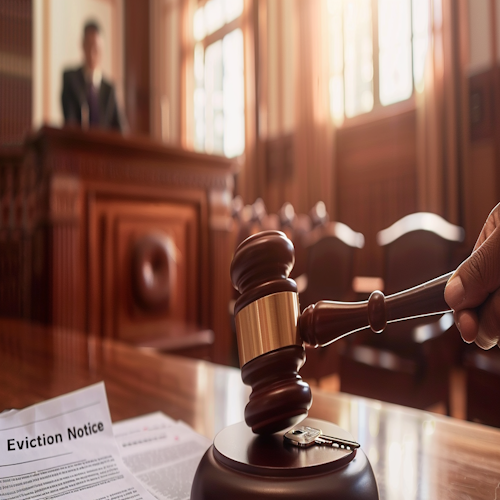
Overview of Alabama’s Eviction Process
When you find yourself facing eviction in Alabama, it’s essential to understand the process involved. The eviction process typically begins when your landlord files an unlawful detainer action in court. This action happens after giving you written notice, which is often a prerequisite to filing.
If the landlord hasn’t followed the proper notice period, you could have grounds to contest the eviction. Once the court papers are filed, you’ll receive a summons that tells you when and where to appear in court.
You’ll want to respond appropriately to defend yourself and present any relevant evidence. The court hearing is your chance to explain your situation, so prepare well.
After the hearing, the judge will make a decision. If the ruling isn’t in your favor, the court will issue a judgment that allows the landlord to move forward with the eviction.
If you lose, you typically have a short period to vacate the premises before the landlord can seek assistance from law enforcement. Knowing these steps can help you navigate the situation better, whether you’re trying to resolve the issue or preparing for what’s next.

Grounds for Eviction in Alabama
Eviction in Alabama can happen for several specific reasons, and knowing these grounds is vital for both tenants and landlords. The most common reason for eviction is non-payment of rent. If you don’t pay your rent on time, your landlord can start the eviction process.
Another reason is violating lease terms, such as having unauthorized pets or guests. To avoid potential issues, following your lease is necessary.
Landlords can also evict tenants for property damage. If you’re harming the property or not keeping it in good condition, your landlord has grounds for eviction. Additionally, a landlord may evict you if you engage in illegal activities on the premises, like drug use or distribution.
Finally, landlords can evict tenants when they intend to move into the property themselves or when they plan significant renovations. However, they must have legitimate reasons and follow the legal process for eviction.
Being aware of these grounds helps you understand your rights and responsibilities as a tenant. Make sure to communicate openly with your landlord to resolve any issues before they escalate to eviction.
We Will Buy Your House
We Buy Houses In Any Condition.
Notice Requirements for Eviction
A landlord in Alabama must provide proper notice before starting the eviction process. The type of notice you receive depends on the reason for the eviction.
For non-payment of rent, the landlord typically gives a 7-day notice. This notice informs you that you have a week to pay your overdue rent before formal eviction proceedings begin.
If the eviction is for a lease violation, the landlord usually issues a 14-day notice. This notice gives you two weeks to fix the violation or vacate the property. For certain illegal activities, the landlord can provide a 7-day notice to quit, which demands immediate action.
It’s important to note that these notices need to be in writing and delivered properly. Landlords can deliver them in person, by certified mail, or by posting them on the door.
Make sure you read the notice carefully to understand what it entails. Responding to the notice promptly could help you avoid eviction. Knowing about these notice requirements will help you navigate any potential challenges with your landlord more effectively.

Filing an Eviction Suit
To initiate the eviction process, landlords must file a lawsuit in the appropriate court after providing the required notice. You’ll want to determine the right court based on where the rental property is located. In Alabama, this is usually the district court for your county.
Once you’ve identified the court, prepare your eviction complaint. This document outlines your reasons for the eviction and includes important details like the tenant’s name, property address, and the amount of back rent owed, if applicable. You’ll also need to prepare a summons that notifies the tenant about the lawsuit.
After filing the complaint and summons, you must pay the court fees. Keep in mind that these fees can vary, so check with your local court for specific amounts. Once everything’s filed, the court will issue the summons, and you’ll need to arrange for the tenant to be served with these documents.
Finally, it’s vital to follow up on any court dates. Missing a court date can jeopardize your case, so stay organized and informed throughout the process. Being prepared will help you move forward with your eviction efficiently.
We Will Buy Your House
We Buy Houses In Any Condition.
Tenant Defenses Against Eviction
While facing an eviction, you might find several defenses that can help you challenge the landlord’s actions. One common defense is the argument that your landlord didn’t follow the proper eviction process. If they didn’t give you the correct notice or failed to file the eviction suit properly, this could invalidate their claim.
Another defense is proving that your landlord hasn’t maintained the property. If there are serious issues like a lack of heat or water that affect your living conditions, you might argue that you shouldn’t be evicted until these problems are fixed.
You may also have a defense if you believe the eviction is retaliatory. If your landlord is evicting you because you’ve made complaints about unsafe conditions or exercised your rights as a tenant, this could be illegal retaliation.
Lastly, you can argue that you’ve paid your rent. If you’ve made all your payments on time, or if there’s a valid agreement regarding late payments, this defense can be powerful. Always document your communications and payments, as having records can strengthen your case substantially.

The Court Hearing Process
If you’ve raised defenses against your eviction, you’ll likely find yourself in a court hearing. This is your opportunity to present your case. The hearing usually happens within a few weeks after you file your defenses. You’ll receive a notice with the date, time, and location of the hearing.
At the hearing, both you and your landlord will have a chance to speak. Bring any evidence that supports your defense, like receipts or photographs. It’s important to be organized and focused. You’ll also want to prepare answers to questions the judge might have.
During the hearing, the judge will listen to both sides and consider the evidence. After hearing everyone, the judge will make a decision. If the judge rules in your favor, you can stay in your home. If not, the judge will likely issue an eviction order, giving your landlord the right to remove you.
We Will Buy Your House
We Buy Houses In Any Condition.
Post-Eviction Rights and Responsibilities
After an eviction, it’s important to understand your rights and responsibilities. Knowing what you can and can’t do can help you navigate this difficult time.
| Rights | Responsibilities |
|---|---|
| You can request a copy of your lease agreement. | You must return any property left behind. |
| You have the right to retrieve personal items. | You should pay any outstanding rent if due. |
| You can dispute the eviction in writing. | You need to address any damages to the property. |
| You may be eligible for housing assistance. | You must adhere to any non-disclosure agreements. |
| You have the right to seek legal help. | You should provide your new address to the landlord. |
Staying informed about your rights allows you to take the right steps moving forward. Remember, although the eviction can feel overwhelming, understanding your responsibilities can help ease the shift. Whether you’re looking for new housing or resolving issues with your former landlord, clear communication is key.
Frequently Asked Questions
Can Tenants Request a Repair Before an Eviction Notice?
Yes, you can request a repair before receiving an eviction notice. To be crucial, communicate with your landlord about necessary repairs. If they ignore your request, document everything to support your case later on.
How Can I Find My Local Housing Court in Alabama?
To find your local housing court in Alabama, check the Alabama state court website. You can also visit your county’s courthouse or call them directly to get accurate information about your housing court’s location and hours.
What if a Tenant Is Facing Eviction Due to COVID-19?
If you’re facing eviction due to COVID-19, check for local assistance programs and tenant protections in your area. Stay informed about your rights, and consider reaching out to legal aid services for support and guidance.
Are There Resources for Legal Assistance in Eviction Cases?
Need legal help with eviction cases? You’ve got options! Local legal aid organizations and pro bono services can assist you. Check online resources or contact your local bar association for guidance tailored to your situation.
How Does Eviction Affect a Tenant’s Credit Score?
An eviction can negatively impact your credit score, as landlords may report it to credit bureaus. This marks you as a higher risk for future rentals, making it harder to secure housing down the line.
We Will Buy Your House
We Buy Houses In Any Condition.Conclusion
Understanding Alabama’s eviction laws is vital for both landlords and tenants. Did you know that in 2020, nearly 200,000 eviction cases were filed in Alabama? Knowing the grounds for eviction, proper notice requirements, and your rights can help you navigate the process smoothly.
Whether you’re a landlord seeking to evict a tenant or a tenant facing eviction, being informed makes all the difference. Don’t hesitate to seek legal advice if you’re unsure of your next steps.
Additionally, you can learn about understanding the role of Alabama probate court in home sales. You can also read how to navigate Alabama’s probate laws when selling real estate.