Have you ever wondered how probate really influences the sale of a house in Huntsville? When someone passes away, their estate, including their home, enters probate, which means the court steps in to manage everything. This process can complicate and delay the sale, requiring you to address debts and get court approvals first.
If you’re traversing this situation, you’ll want to understand the key steps involved and how to handle potential challenges that arise. In this article, we discussed what is probate, and how does it affect selling a house in Huntsville?
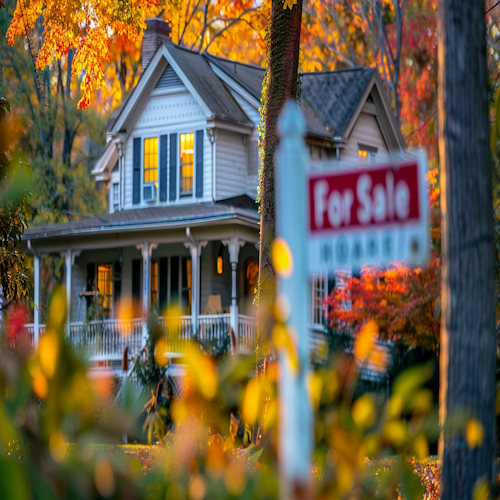
Key Takeaways
- Probate is the legal process to settle a deceased person’s estate, including asset distribution in accordance with their will or state law.
- In Huntsville, selling a house during probate requires court approval, which can delay the process.
- The estate must settle all debts and taxes before any property can be sold.
- Appraisals may be required to determine the house’s fair market value before proceeding with a sale.
- Disagreements among heirs or the need for a qualified real estate agent can complicate the sale process during probate.
We Will Buy Your House
We Buy Houses In Any Condition.
What Is Probate?
Probate is the legal process that happens after someone passes away, ensuring their assets are distributed according to their wishes or state law. When a person dies, their estate needs to be settled. This means taking stock of what they owned, like homes, money, and personal items.
You’ll often need to go to court to make this all official. During probate, someone, often a family member or a designated executor, steps in to manage the process. They pay off debts and taxes and distribute the remaining assets to the beneficiaries listed in the will.
If there’s no will, state law will determine who gets what. Probate can be a lengthy process, sometimes taking several months or even years. Many people worry it might be expensive and complicated, but that depends on the size of the estate and the situation.
It’s important to understand that not all assets go through probate. Things like life insurance policies and joint bank accounts usually skip this step. Knowing how probate works helps you prepare for what lies ahead, especially if you’re thinking about selling a house or dealing with a loved one’s estate.

The Probate Process Explained
Understanding the probate process can help you navigate what happens after a loved one passes away. Probate is the legal way to settle a deceased person’s affairs. It involves gathering their assets, paying debts, and distributing what’s left to the heirs.
First, you’ll need to file the will, if there’s one, with the local court. If there’s no will, the court will decide how to distribute the assets according to state law. A personal representative, often named in the will or appointed by the court, manages this process.
Next, you’ll inventory the estate’s assets, which may include property, bank accounts, and personal belongings. It’s crucial to value these items accurately. The representative also informs creditors and settles any debts the deceased had.
Once all debts are paid, the remaining assets are distributed to the heirs. This can take several months, or even years, depending on the complexity of the estate and any disputes among heirs. Ultimately, understanding this process can help you plan effectively for the future and guarantee that the estate is handled smoothly.
We Will Buy Your House
We Buy Houses In Any Condition.
Probate Laws in Alabama
When dealing with the aftermath of a loved one’s passing, knowing the probate laws in Alabama can make a big difference in how you handle their estate. In Alabama, probate is the legal process of settling a deceased person’s estate. This includes distributing their assets, paying debts, and ensuring that any taxes are settled.
For most cases, you’ll need to file a petition to start probate in the county where your loved one lived. The court will then appoint a personal representative, often called an executor, to manage the estate. One key point to consider is that Alabama has specific laws regarding who can serve as a personal representative and how each step of the process works.
The probate process in Alabama can be simplified if there’s a will. If there isn’t one, Alabama’s intestacy laws will dictate how the assets are divided among heirs. Additionally, Alabama allows for a streamlined process under certain conditions for small estates, which can save time and expenses. By understanding these laws, you can navigate the probate process more effectively and honor your loved one’s wishes.

Impact of Probate on Selling
Selling a house during probate can be complicated, especially if you’re unfamiliar with the rules and procedures involved. The probate process can delay the sale and affect the decisions you make. Typically, the estate needs to be settled first, which includes paying any debts or taxes.
Here’s a quick overview of how probate impacts selling a house:
| Impact | Details |
|---|---|
| Time Delay | The probate process can take months. |
| Legal Approval | Sales often require approval from the court. |
| Estate Debts | Debts must be cleared before selling. |
| Value Determination | The property may need appraisals. |
You might also face extra challenges like disagreements among heirs or needing to find a qualified real estate agent experienced in probate sales. Understanding these factors is vital, as they can substantially influence your timeframe and overall experience in selling the home. The more informed you are about the probate process, the smoother the sale can be for you and the involved parties.
We Will Buy Your House
We Buy Houses In Any Condition.
Steps to Sell a House in Probate
Going through probate can seem overwhelming, but knowing the steps to sell a house in this situation can make it easier. First, you need to identify the executor or personal representative. This person handles the sale and must follow the court’s guidelines.
Next, gather the necessary documents, including the death certificate, the will, and the property title. Once you have the documents, it’s time to determine the fair market value of the house. You may want to hire a real estate agent or a property appraiser to help with this process.
After evaluating the value, you can choose to list the house for sale. Be sure to obtain court approval before finalizing any sale. This step guarantees the sale is legally binding and protects all parties involved.
Once you have a buyer, you’ll negotiate the sale and finalize the paperwork. Finally, once the sale closes, you’ll distribute the proceeds as per the will or court order. Knowing these steps can simplify your experience with selling a house in probate, allowing you to navigate the process with more confidence.

Common Challenges in Probate Sales
Traversing probate sales can be tricky due to several common challenges. First, you might face delays in the probate process itself. Sometimes, it takes time for the court to approve the sale, which can keep you from moving forward.
Another challenge is that the property may need repairs or updates. Inherited homes often need work, and you may not have the funds or time to tackle these issues. This could impact the sale price and extend the selling timeline.
You’ll also need to deal with multiple heirs or beneficiaries. If everyone involved has different opinions on the sale, reaching an agreement can be tough. This could lead to disputes or delays, complicating your plans.
Additionally, marketing a probate property might be harder. Buyers often shy away from homes in probate due to perceived risks. This can affect how quickly you sell and at what price.
Lastly, keeping track of legal paperwork is essential. Missing documentation or errors can cause headaches. Staying organized and focused is key. Addressing these challenges head-on can help you navigate the probate sale more smoothly.
We Will Buy Your House
We Buy Houses In Any Condition.
Working With Probate Attorneys
When you’re dealing with a probate sale, working with probate attorneys can make a significant difference. These legal experts know the ins and outs of the probate process, and they can help you navigate it more smoothly.
They’ll guarantee that all paperwork is filled out properly and submitted on time, which can save you from delays. Probate attorneys can also clarify your rights and responsibilities as an executor or beneficiary.
They’ll explain the legal terms and guide you through each step, so you won’t feel lost. By having their support, you can quickly address any issues that arise during the sale.
Another important role of a probate attorney is negotiating with buyers and handling any legal disputes that may come up. They can provide valuable advice to help you get the best deal for the estate.
Plus, their experience can help you avoid costly mistakes. In short, enlisting the help of a probate attorney can simplify the process and give you peace of mind.
Frequently Asked Questions
Can Probate Be Avoided Completely When Selling a House?
You can’t completely avoid probate when selling a house if the property is part of an estate. However, some strategies, like using a living trust, might help you minimize or bypass it in certain cases.
How Long Does the Probate Process Typically Take in Alabama?
The probate process in Alabama usually takes six months to a year. But various factors can extend this timeline. If you’re involved, stay patient; unexpected delays might pop up along the way.
Are There Any Taxes Associated With Selling a House in Probate?
Yes, there can be taxes when selling a house in probate. You might face capital gains tax on any profit. It’s wise to consult a tax professional to understand your specific situation and obligations.
What Happens if No Heirs Are Named in the Will?
If the will doesn’t name any heirs, you’ll run into a pickle. The court usually appoints an administrator to handle the estate. This could lead to delays while everything gets sorted out, so hang tight!
Can I Live in the House During the Probate Process?
Yes, you can live in the house during the probate process, but make sure the will allows it. You might need permission from the executor or the court, depending on the specific situation.
We Will Buy Your House
We Buy Houses In Any Condition.Conclusion
In summary, traversing probate in Huntsville can be tricky when selling a house. Coincidentally, understanding the process and laws can make your journey smoother. By following the steps outlined and consulting with probate attorneys, you can tackle common challenges with confidence.
Remember, patience is key, as waiting for court approval guarantees all debts are settled fairly. Embrace the process, and soon enough, you’ll be ready to move forward with the sale of the property.
Additionally, you can learn how to determine the value of a probate home in Huntsville, AL. The executor is crucial to selling a probate home, and you can learn about the role of the executor in selling a probate property in Huntsville, AL. Moreover, a probate attorney is also important, and you can learn how to work with a probate attorney in Huntsville to sell a house.